
What 150 Minutes of Movement Really Buys You — And Why Your Spine (and Mind) Thank You
We all hear it: adults should aim for 150 minutes of moderate physical activity each week. But what does that actually mean for your body, brain, and daily life — especially if you deal with back or neck pain, stiffness, or limited mobility?
A landmark meta-analysis published in The American Journal of Psychiatry found that higher levels of physical activity were associated with a significantly reduced risk of developing depression across diverse age groups and populations. This research reinforces that exercise does more than support physical fitness; it also plays a powerful role in mental health. (Schuch et al., 2018; psychiatryonline.org/doi/10.1176/appi.ajp.2018.17111194)
The Science Behind 150 Minutes per Week
Because movement improves so many aspects of health, major public health institutions recommend adults get at least 150 minutes of moderate-intensity activity weekly — like brisk walking, cycling, or other sustained motion. This is more than a number: it’s a threshold where science shows consistent, measurable benefits.
According to the CDC and WHO, regular physical activity:
• Improves mood and reduces symptoms of depression and anxiety. (CDC; WHO) CDC+1
• Helps manage and prevent chronic conditions like cardiovascular disease, type 2 diabetes, and some cancers. (CDC; WHO) CDC+1
• Enhances sleep quality and cognitive function. (CDC; The Wellness Coalition) CDC+1
• Strengthens muscles and joints, improving balance and mobility as we age. (CDC Physical Activity Guidelines) CDC
The evidence on physical activity is so strong that guidelines now emphasize any movement is better than none, and benefits accumulate even if activity is spread throughout the day. (American Heart Association) www.heart.org
Movement and Spine Health: Why It Matters
Beyond general health, physical activity has direct implications for the musculoskeletal system. Movement stimulates joint lubrication, supports muscular strength, and maintains healthy range of motion — all essential for spine health. Even simple activities like walking can reduce the risk of chronic low back pain when done consistently over time. Recent research suggests that accumulating walking time throughout the week can lower chronic back pain risk by encouraging mobility and circulation and decreasing inflammation in spinal tissues. Health
Where Chiropractic Care Fits In
Chiropractic care and physical activity are not alternatives — they are complementary.
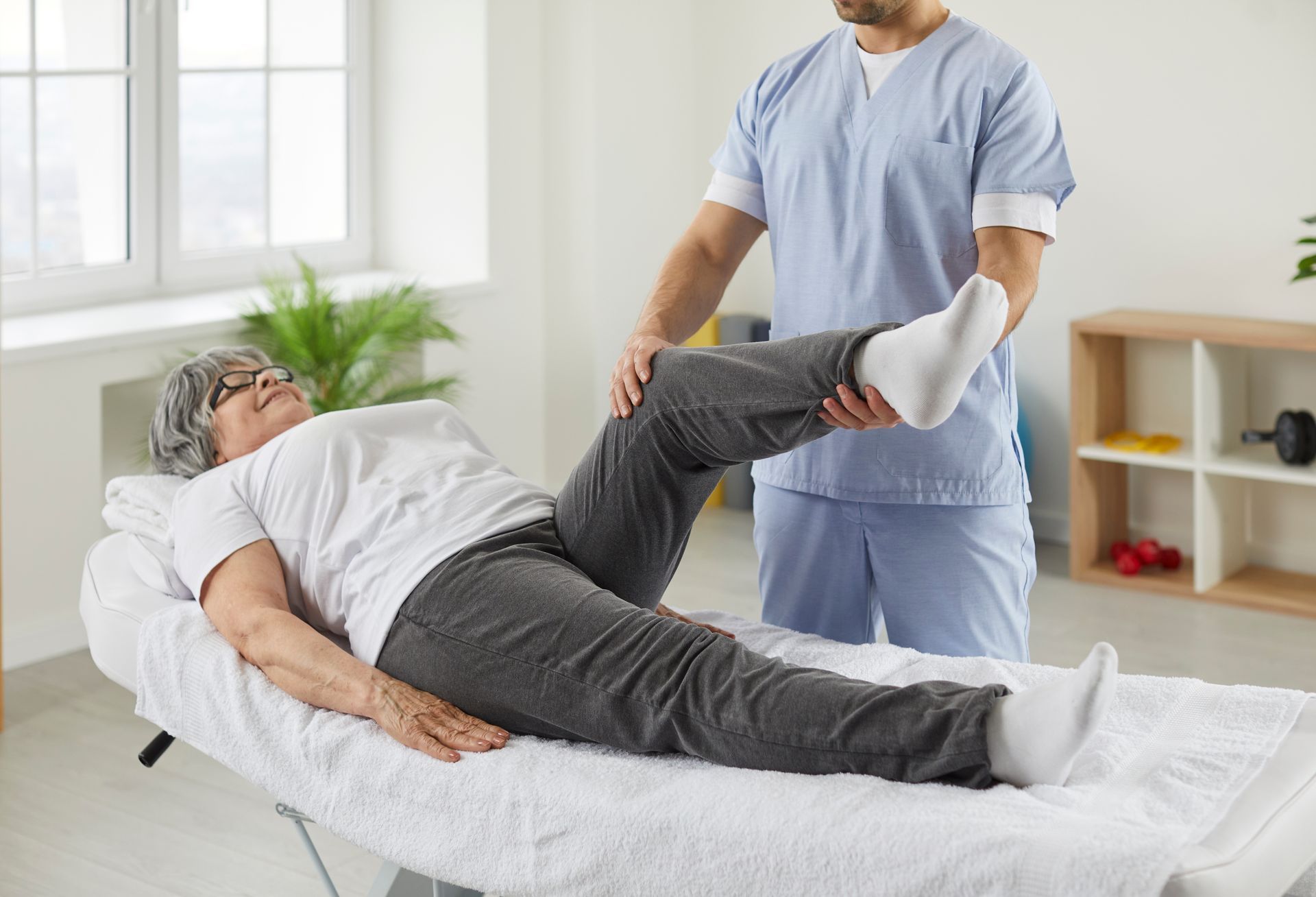
At Thrive Sports & Spine Associates, we don’t just treat pain; we focus on enabling better movement. Pain, stiffness, or restricted joint motion can make physical activity feel difficult or discouraging. Chiropractic care may help by:
• Improving joint and spinal mobility so movement feels smoother and less restricted.
• Enhancing nervous system function, which influences muscle coordination and posture.
• Reducing pain and discomfort that often limit a patient’s ability to stay active. (PubMed research on chiropractic patients shows small but meaningful improvements in function and quality of life for people with chronic back or neck pain.) PubMed
This is critical because movement recommendations only matter if patients can actually move consistently. When chiropractic care reduces pain and improves functional mobility, it can make reaching that 150-minute target more attainable and more sustainable.
What 150 Minutes of Movement Really Buys You
By combining chiropractic care with regular movement, you can expect:
• Better physical function with less pain
• Greater confidence in movement
• Improved musculoskeletal resilience
• Lower risk of chronic disease
• Enhanced mood and cognitive benefits
Most importantly, there’s no single “perfect” workout. Movement includes walking, swimming, golfing, cycling, gardening — any activity that gets your body moving and your heart rate up. (CDC; WHO) CDC+1
If your goal is to move better, feel better, and stay healthier — both physically and mentally — combining consistent activity with chiropractic care is a strategy worth considering.
Learn more about our movement-focused approach to care at:
https://www.thrivesportsandspine.info/
You can read the full study here:
https://psychiatryonline.org/doi/10.1176/appi.ajp.2018.17111194
Reference
Schuch, F. B., Vancampfort, D., Firth, J., Rosenbaum, S., Ward, P. B., Silva, E. S., Hallgren, M., Ponce De Leon, A., Dunn, A. L., Deslandes, A. C., Fleck, M. P., Carvalho, A. F., & Stubbs, B. (2018). Physical activity and incident depression: A meta-analysis of prospective cohort studies. American Journal of Psychiatry, 175(7), 631–648.