
Why Young Athletes Keep Spraining Their Ankles and What It Really Means
Ankle sprains are one of the most common injuries in youth sports. Whether a young athlete plays soccer, basketball, runs track, or just stays active year-round, the ankle is constantly asked to handle cutting, jumping, and sudden changes in direction. Over time, many athletes notice that the same ankle keeps rolling or feels weak, even long after the original injury. A recent study in Knee Surgery, Sports Traumatology, Arthroscopy helps explain why this happens and why early care matters.
What the Study Found
Researchers examined adolescent male athletes and found that nearly two-thirds had increased looseness in the ligaments on the outside of the ankle, a condition known as lateral ankle laxity. Even more important, those athletes also showed weaker activation of the peroneal muscles, the muscles that help protect the ankle during weight-bearing movements. This means the ankle was not only structurally loose, but also lacked the muscular control needed to stay stable during sports.
Study link: https://esskajournals.onlinelibrary.wiley.com/doi/abs/10.1002/ksa.70184
Why This Matters for Young Athletes
When the outside ligaments of the ankle become stretched and the stabilizing muscles stop firing properly, the body starts to move differently. Balance becomes less reliable, reaction time slows, and the risk of re-injury rises. Over time, this instability can affect the knees, hips, and even the lower back as the body tries to compensate. For young athletes, this often shows up as repeat ankle sprains, hesitation with cutting movements, or a loss of confidence during play.
How Thrive Sports & Spine Uses This Research to Guide Care
At Thrive Sports & Spine in Somers Point, NJ, we do not treat ankle sprains as isolated events. This study supports our multidisciplinary approach, which focuses on restoring stability, improving biomechanics, and protecting long-term performance.
- Chiropractic care helps restore proper motion in the foot, ankle, and lower body so joints are not forced to compensate.
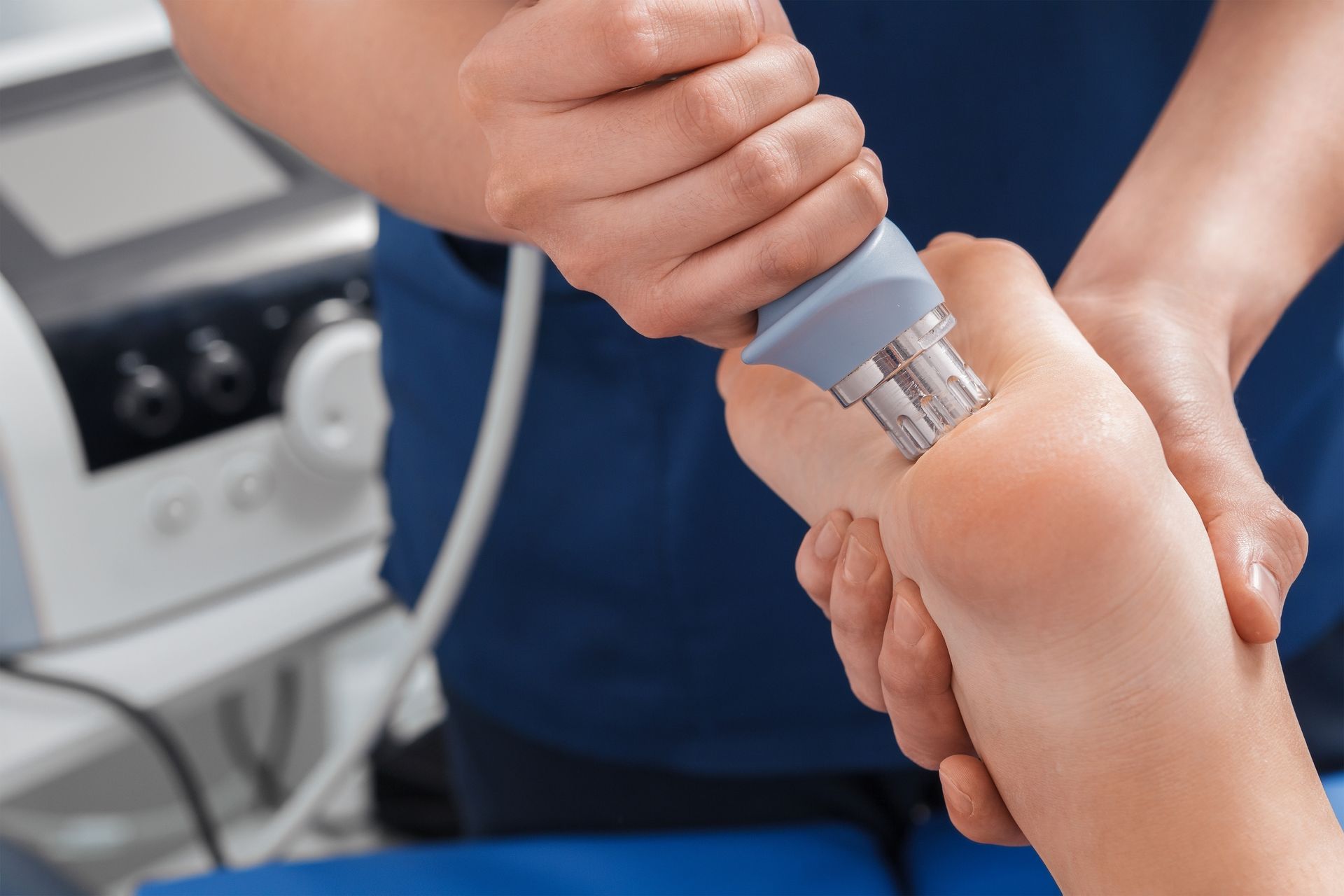
- Soft tissue therapy and shockwave therapy can improve tissue quality and help irritated structures recover.
- Acupuncture supports pain control and helps calm protective muscle guarding.
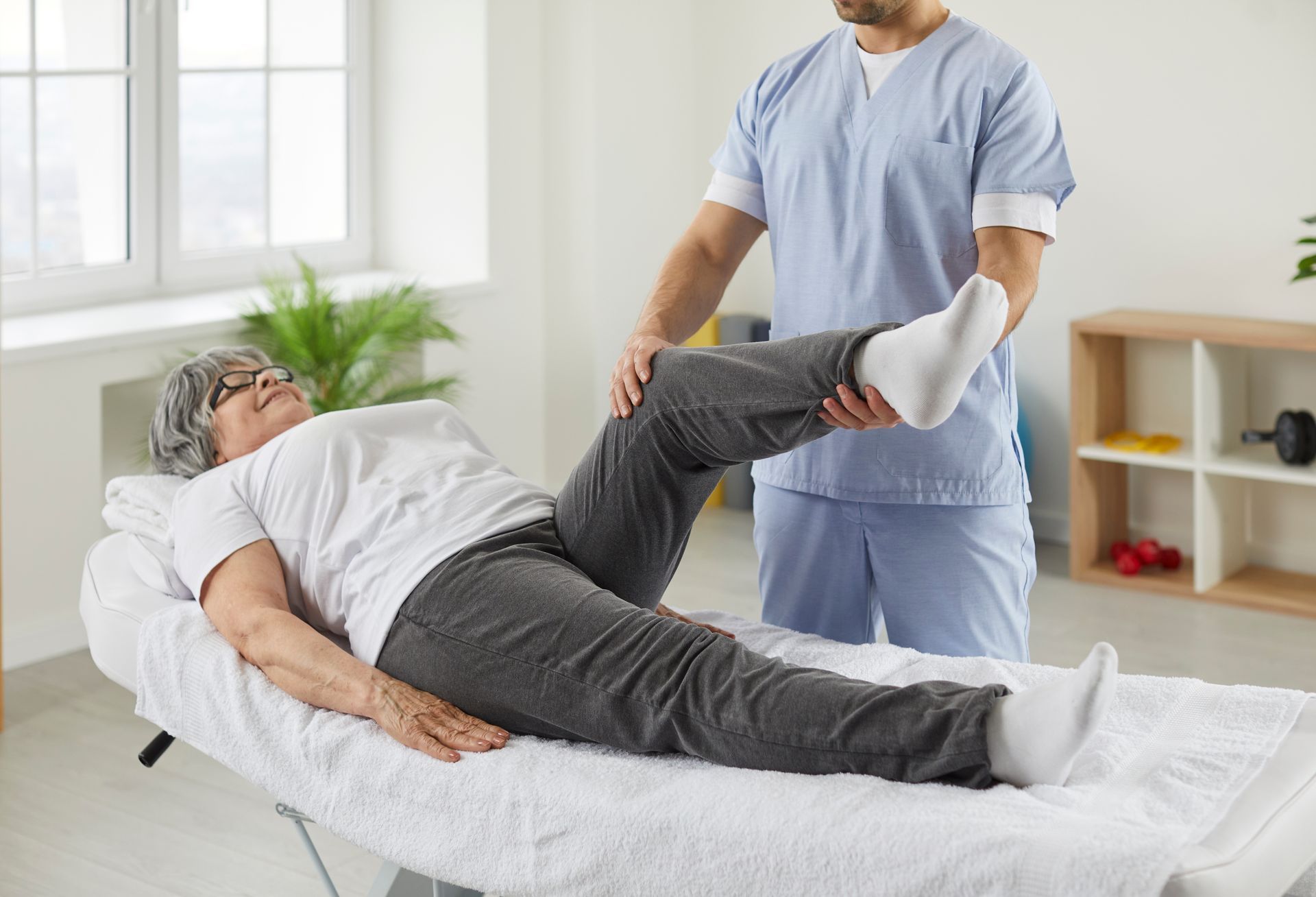
- Occupational therapy and rehabilitation programs retrain balance, coordination, and peroneal muscle strength so the ankle can protect itself again.
- Medical care, when needed, ensures a full evaluation if swelling, repeated sprains, or significant instability are present.
Helping Young Athletes Stay Confident on Their Feet
If a young athlete feels like their ankle keeps giving out, it is not just bad luck. It is often a sign that the stabilizing system around the joint is no longer doing its job. By addressing ligament health, muscle control, and movement patterns together, we help reduce pain, improve biomechanics, and support safe return to sport.
Reference: Yokoe T, Kawaguchi T, Kubo A, Kamei N, Teramoto A, Takao M, Pereira H. Approximately two-thirds of adolescent male soccer players had increased lateral ankle laxity with functional ankle impairments. Knee Surgery, Sports Traumatology, Arthroscopy. 2025. doi:10.1002/ksa.70184