
Getting Stronger May Be One of the Best Treatments for Low Back Pain

July 1, 2026

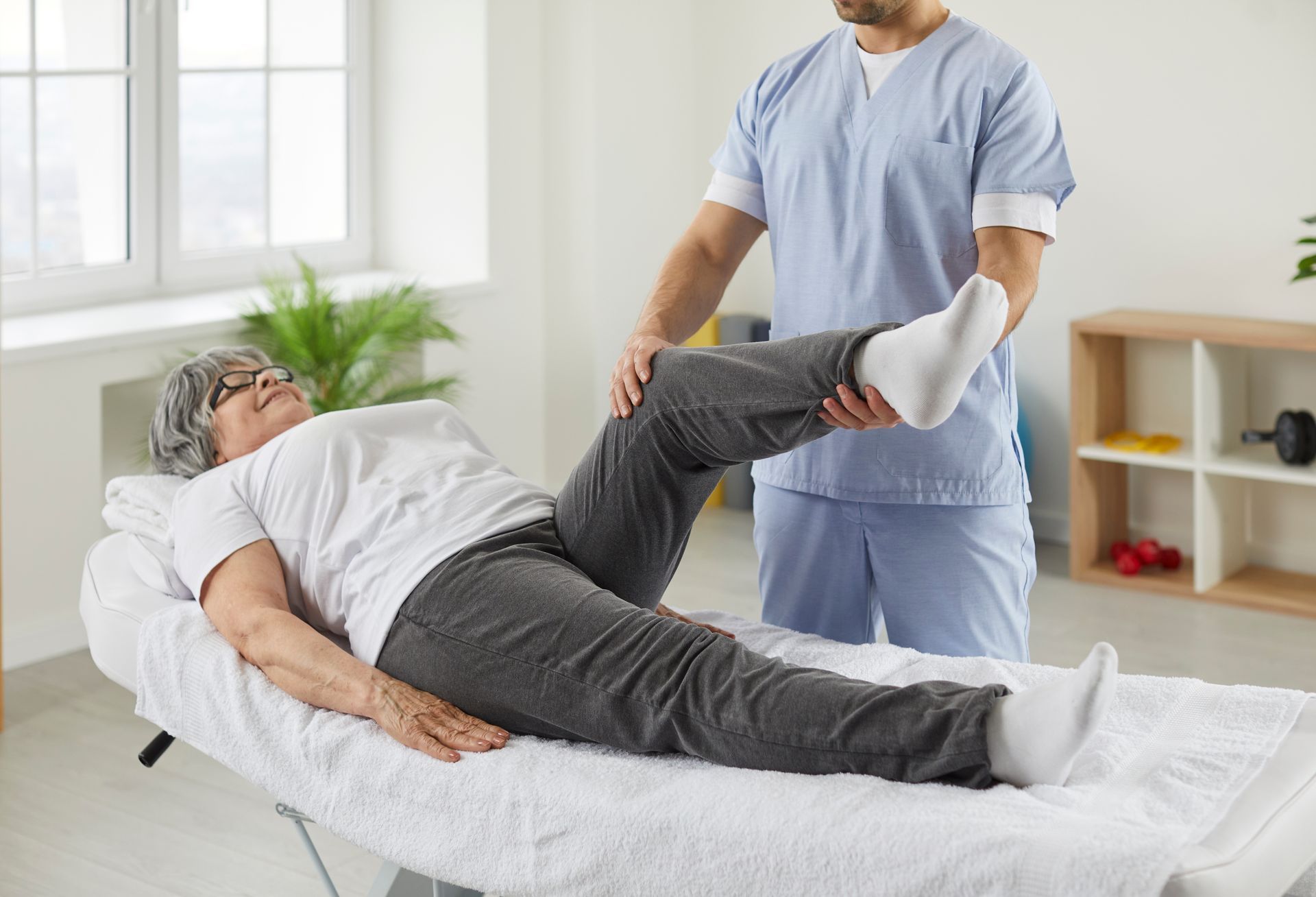
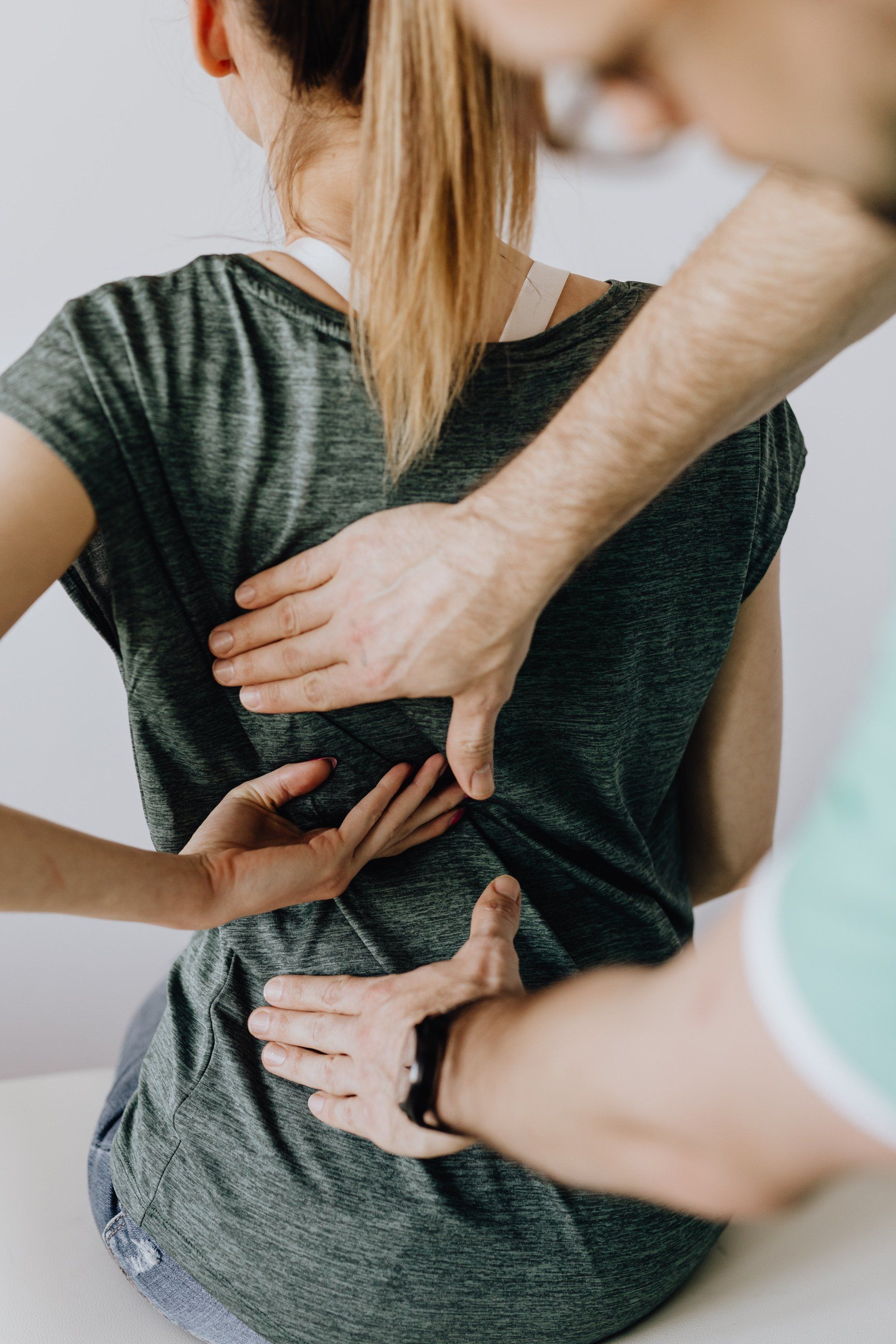
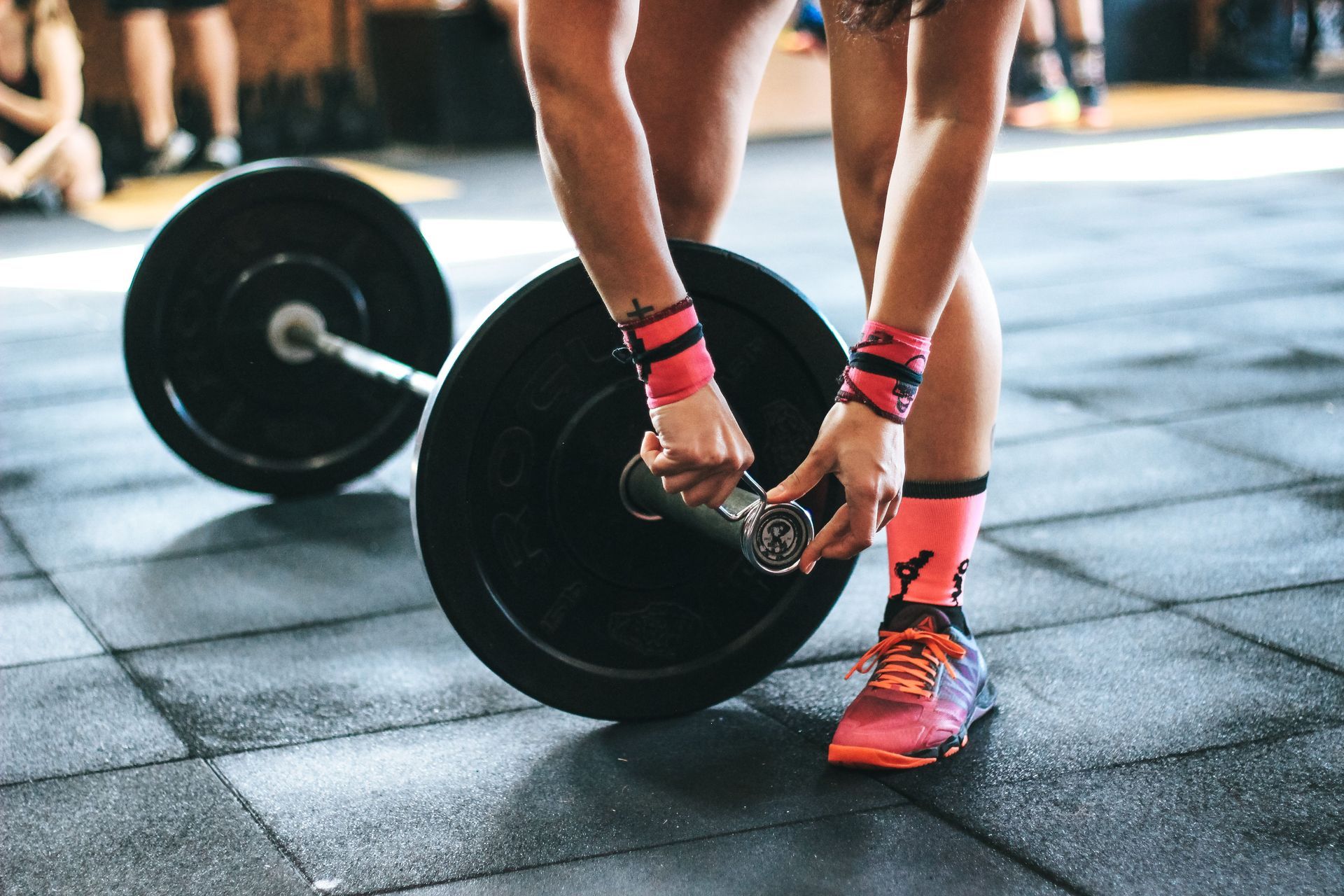
Low back pain affects people of all ages and activity levels. Whether you enjoy working out, playing sports, gardening, or simply want to keep up with your family, back pain can make everyday activities more difficult. A recent study published in the Journal of Back and Musculoskeletal Rehabilitation found that a structured whole-body strength training program significantly improved pain, strength, and function in people with chronic low back pain. The findings support an approach that combines proper movement with progressive strengthening to help people recover and stay active.

What the Study Found


Researchers followed individuals with chronic low back pain who participated in a supervised whole-body strength training program. By the end of the study, participants reported less pain, greater muscle strength, and improved physical function compared to where they started. These improvements suggest that building strength throughout the body, not just in the lower back, can help support the spine and improve overall movement.

Study link: https://journals.sagepub.com/doi/full/10.1177/10538127261448967


Why This Matters for Active Adults and Athletes


Your spine depends on more than just your back muscles. Your core, hips, legs, and shoulders all work together to help you lift, bend, run, swing a golf club, play pickleball, or simply move comfortably throughout the day. When one area becomes weak or doesn't move properly, other structures have to work harder, increasing stress on the spine and surrounding tissues.

Strength training is an important part of recovery, but it works best when your joints move properly and your body uses good movement patterns. Building strength on top of poor biomechanics can sometimes lead to continued pain or new injuries.


How Thrive Sports & Spine Uses This Research to Guide Care


At Thrive Sports & Spine in Somers Point, NJ, we believe the best results come from treating the entire movement system, not just the painful area. This study supports our multidisciplinary approach to helping patients move better, feel better, and perform at their best.

  • Chiropractic care helps restore healthy joint motion and improve spinal biomechanics before strengthening begins.
  • Occupational therapy and rehabilitation focus on improving mobility, balance, core stability, and whole-body strength to support long-term recovery.
  • Acupuncture may help reduce pain, decrease muscle tension, and improve comfort so patients can participate more fully in rehabilitation.
  • Medical care, when appropriate, provides additional evaluation and treatment options for more complex or persistent conditions.

By combining these services, we help patients improve movement quality, reduce pain, and build strength safely and effectively.

Building a Stronger Back for the Long Term


Recovering from low back pain is about more than resting until the pain goes away. It means restoring healthy movement, improving biomechanics, and gradually building strength so your body can better handle everyday activities and the sports you enjoy. Whether you're returning to the gym, training for your next race, or simply hoping to stay active without pain, a personalized treatment plan can help you move with greater confidence.

Reference: Effects of Whole-Body Strength Training on Pain and Strength in Chronic Low Back Pain: A Randomized Controlled Trial. Journal of Back and Musculoskeletal Rehabilitation. 2026.

July 1, 2026
As we get older, aches and pains often become part of everyday life. Back pain, neck pain, arthritis, and joint stiffness can make it harder to stay active and enjoy the things you love. Many older adults are interested in chiropractic care but wonder if it is safe for their age. A new systematic review published in Chiropractic & Manual Therapies helps answer that important question.
July 1, 2026
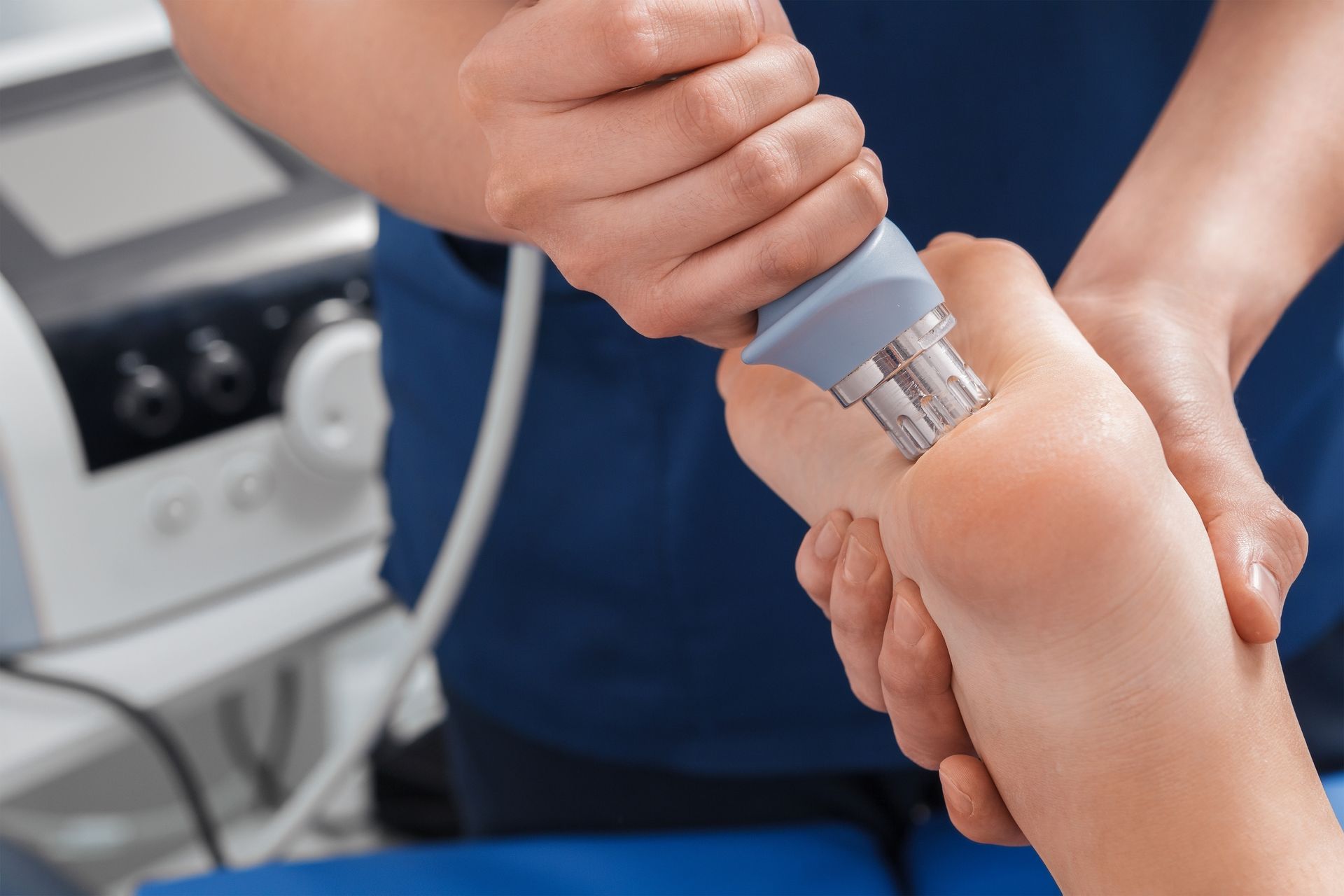
Heel pain can make even simple activities like walking the dog, exercising, or standing through a work shift uncomfortable. One of the most common causes of heel pain is plantar fasciitis, a condition involving irritation of the thick band of connective tissue that supports the arch of your foot. While many people improve with stretching, supportive footwear, and activity modification, others continue to experience pain for months despite trying multiple treatments. A recent study published in the Journal of Clinical Medicine examined how radial extracorporeal shockwave therapy (ESWT) affects patients with chronic plantar fasciitis that had not responded to conservative care.
April 22, 2026
Positive Outcomes of spinal decompression for low back pain
April 22, 2026
A 2025 systematic review of 36 randomized controlled trials (~2000 patients) found PRP significantly reduced pain scores compared to controls at...
April 21, 2026
If you’ve ever felt pain on the inside of your elbow when gripping, lifting, or swinging a golf club — you might be dealing with medial epicondylitis, also known as golfer’s elbow.
April 21, 2026
When people think about preventing falls, they usually focus on balance.
April 8, 2026
Neck pain is very common, but most people only think about the pain itself. New research shows that neck pain may also affect how your body controls movement and balance. A recent study published in PLOS One looked at how the neck works with the brain and nervous system. The neck plays an important role in helping your body understand position, movement, and balance. When the neck is not working properly, this system can become disrupted. What the Study Found Researchers studied people with chronic neck pain and measured how their neck muscles responded under different conditions. They looked at how the body uses vision and proprioception , which is your body’s ability to sense position and movement. They found that: Neck muscle activity changed depending on sensory input People with neck pain relied more on certain systems to stay balanced The body created compensations to deal with poor neck function This means that neck pain is not just about tight muscles. It can change how your brain and body work together. Study link: https://journals.plos.org/plosone/article?id=10.1371/journal.pone.0340633 Why This Matters for Athletes and Everyday Life Your neck is a key part of your movement system. It helps guide posture, balance, coordination, and reaction time. When the neck is not working well, it can lead to: Poor balance Slower reaction time Increased risk of injury Muscle tightness and fatigue Ongoing neck pain and headaches This is important for: Athletes who rely on coordination and control Active adults who train or exercise People who sit for long hours or use screens often Even small changes in how the neck functions can affect how the entire body moves. How Thrive Sports & Spine Uses This Research to Guide Care At Thrive Sports & Spine, we treat neck pain by looking at the full system, not just the area of pain. This study supports our approach to improving movement, balance, and nervous system function. Chiropractic care helps restore normal joint motion and improve how the neck communicates with the rest of the body Acupuncture helps reduce muscle tension and calm the nervous system Occupational therapy and rehabilitation improve posture, coordination, and stability Medical care , when needed, helps manage more complex or persistent conditions By combining these treatments, we help: Improve biomechanics Restore proper movement patterns Reduce pain and tension Enhance performance and daily function Helping You Move Better and Stay Balanced Neck pain is more than just discomfort. It can change how your body moves, balances, and responds to the world around you. If you feel unsteady, tight, or continue to have neck pain that does not go away, the issue may be deeper than just muscle tension. Improving how your neck functions can help your entire body work better. At Thrive Sports & Spine, we focus on finding the cause of the problem so you can move with confidence and feel your best.  Reference Wei W, Li W, Wang Y, Zhang S, Fan G, Bai Y. Importance of visual and proprioceptive inputs for maintaining balance in patients with chronic non-specific neck pain. PLOS One. 2026;21(3):e0340633.
March 2, 2026
Neck pain and headaches are two of the most common reasons people come into our office. Many people think headaches only come from stress or tight muscles. New research published in Spine shows there may be a deeper connection inside the neck that helps explain why neck problems and headaches often occur together. A recent study looked at important ligaments in the cervical spine, or neck. These ligaments connect parts of the spine to the protective covering around the spinal cord. This connection helps control movement and stability in the neck. Researchers found that when these tissues become irritated or restricted, tension may be transferred directly to sensitive nerve structures. This may help explain why neck stiffness or poor movement can lead to ongoing headaches. What the Study Found Researchers studied the anatomy of the neck and confirmed that certain spinal ligaments are directly connected to the covering of the spinal cord. Because of this connection, problems with joint motion or posture may place extra stress on nearby nerves. This means a person may experience headaches or neck pain even when imaging tests look normal. Limited movement, past injuries, sports activity, or long hours spent looking down at phones or computers can all increase stress in these tissues. Study link: https://www.ovid.com/jnls/spinejournal/abstract/10.1097/brs.0000000000005629 Why This Matters for Everyday Life and Sports Your neck plays an important role in balance, movement, and nervous system function. When the joints and supporting tissues do not move well, the body often responds with muscle tightness, stiffness, or headaches. This can affect: Athletes during training or competition Students carrying backpacks or using devices Desk workers sitting for long periods Anyone dealing with recurring neck tension or headaches Improving how the neck moves can reduce strain on these sensitive structures and help the body function more comfortably. How Thrive Sports & Spine Uses This Research to Guide Care At Thrive Sports & Spine, we focus on treating the cause of neck pain, not just the symptoms. This research supports our team approach to improving movement, reducing pain, and restoring normal function. Chiropractic care helps restore healthy motion in the joints of the neck and reduces stress on surrounding tissues. Acupuncture helps relax tight muscles and supports natural pain relief. Occupational therapy and rehabilitation improve posture, strength, and movement habits so symptoms are less likely to return. Medical care , when needed, ensures patients receive a full evaluation for more complex conditions. Working together, these treatments help improve biomechanics, decrease pain, and support better performance in daily life and sports. Helping You Move and Feel Better Headaches and neck pain are often connected. When movement in the neck improves, many patients notice better comfort, improved mobility, and fewer recurring symptoms. If you experience frequent headaches or ongoing neck stiffness, an evaluation may help identify the source of the problem. Our team at Thrive Sports & Spine is here to help you move better, feel better, and stay active.  Reference Iwanaga J, et al. The Cervical Ligamentum Flavum and Cervicodural Ligaments: Anatomical Insights with Potential Relevance to Cervicogenic Headache. Spine. 2026. doi:10.1097/BRS.0000000000005629
March 2, 2026
If you spend hours on your phone or computer, you may notice your head drifting forward and your neck starting to hurt. This is called forward head posture , and it’s becoming more common every year. But here’s something surprising: 👉 Your neck pain might not just be a neck problem. 👉 It could actually start from your core . What Did the Study Find? A recent randomized controlled trial looked at people with forward head posture and neck pain. Researchers compared two groups: One group did posture exercises only The other group did posture exercises + core strengthening Here’s what they found: Both groups improved their posture BUT the group that added core exercises had greater pain relief They also showed better spinal alignment on imaging 👉 In simple terms: Stronger core = better posture + less neck pain Why Does This Matter? Your body works as one connected system. When your core (abs, back, pelvis) is weak: Your spine loses support Your head shifts forward Your neck muscles work overtime Pain, stiffness, and even headaches can develop This study showed that treating just the neck isn’t always enough. You need to treat the whole system . How This Impacts Your Daily Life Forward head posture can affect: Sitting at a desk Driving Sleeping Working out Even your energy levels Over time, it can lead to: Chronic neck pain Headaches Poor movement patterns Decreased performance in daily activities How Our Team Can Help At our clinic, we don’t just chase symptoms — we look at why the problem is happening . Occupational Therapy (OT) We help you: Retrain posture during daily activities (work, driving, lifting) Improve movement patterns and body awareness Build functional strength that carries over into real life Chiropractic Care Improves joint mobility in the spine Reduces stiffness and mechanical stress Helps restore proper alignment Acupuncture Reduces muscle tension and pain Helps calm the nervous system Supports recovery and relaxation Medical Providers Help manage inflammation and pain when needed Ensure safe, coordinated care Why This Approach Works This study supports something we see every day: 👉 You get better results when you treat the whole body — not just the painful area. By combining: Core strengthening Postural correction Hands-on care Functional training We can improve: Pain Biomechanics (how your body moves) Performance in daily life and exercise  Simple Takeaway If you’re dealing with neck pain or poor posture: ✔ Don’t just stretch your neck ✔ Don’t just sit up straighter 👉 Start building your core stability 👉 And get a plan that looks at your entire body Ready to Feel Better? If you’ve been dealing with: Neck pain Headaches Poor posture Pain with sitting or working Our team is here to help you move better, feel better, and get back to doing what you enjoy. Study Reference Shabana AMM, Ashour RS, Yamany AS, Hanafy AF. Radiographic and clinical effects of core stabilization on cervical pain and sagittal balance in forward head posture: A randomized controlled trial. Korean Society of Spine Surgery, 2026. DOI: https://doi.org/10.1016/j.asj.2025.0297
January 14, 2026
Ankle sprains are one of the most common injuries in youth sports. Whether a young athlete plays soccer, basketball, runs track, or just stays active year-round, the ankle is constantly asked to handle cutting, jumping, and sudden changes in direction. Over time, many athletes notice that the same ankle keeps rolling or feels weak, even long after the original injury. A recent study in Knee Surgery, Sports Traumatology, Arthroscopy helps explain why this happens and why early care matters. What the Study Found  Researchers examined adolescent male athletes and found that nearly two-thirds had increased looseness in the ligaments on the outside of the ankle, a condition known as lateral ankle laxity . Even more important, those athletes also showed weaker activation of the peroneal muscles , the muscles that help protect the ankle during weight-bearing movements. This means the ankle was not only structurally loose, but also lacked the muscular control needed to stay stable during sports. Study link: https://esskajournals.onlinelibrary.wiley.com/doi/abs/10.1002/ksa.70184 Why This Matters for Young Athletes When the outside ligaments of the ankle become stretched and the stabilizing muscles stop firing properly, the body starts to move differently. Balance becomes less reliable, reaction time slows, and the risk of re-injury rises. Over time, this instability can affect the knees, hips, and even the lower back as the body tries to compensate. For young athletes, this often shows up as repeat ankle sprains, hesitation with cutting movements, or a loss of confidence during play. How Thrive Sports & Spine Uses This Research to Guide Care At Thrive Sports & Spine in Somers Point, NJ, we do not treat ankle sprains as isolated events. This study supports our multidisciplinary approach, which focuses on restoring stability, improving biomechanics, and protecting long-term performance. Chiropractic care helps restore proper motion in the foot, ankle, and lower body so joints are not forced to compensate. Soft tissue therapy and shockwave therapy can improve tissue quality and help irritated structures recover. Acupuncture supports pain control and helps calm protective muscle guarding. Occupational therapy and rehabilitation programs retrain balance, coordination, and peroneal muscle strength so the ankle can protect itself again. Medical care , when needed, ensures a full evaluation if swelling, repeated sprains, or significant instability are present. Helping Young Athletes Stay Confident on Their Feet If a young athlete feels like their ankle keeps giving out, it is not just bad luck. It is often a sign that the stabilizing system around the joint is no longer doing its job. By addressing ligament health, muscle control, and movement patterns together, we help reduce pain, improve biomechanics, and support safe return to sport. Reference: Yokoe T, Kawaguchi T, Kubo A, Kamei N, Teramoto A, Takao M, Pereira H. Approximately two-thirds of adolescent male soccer players had increased lateral ankle laxity with functional ankle impairments. Knee Surgery, Sports Traumatology, Arthroscopy. 2025. doi:10.1002/ksa.70184