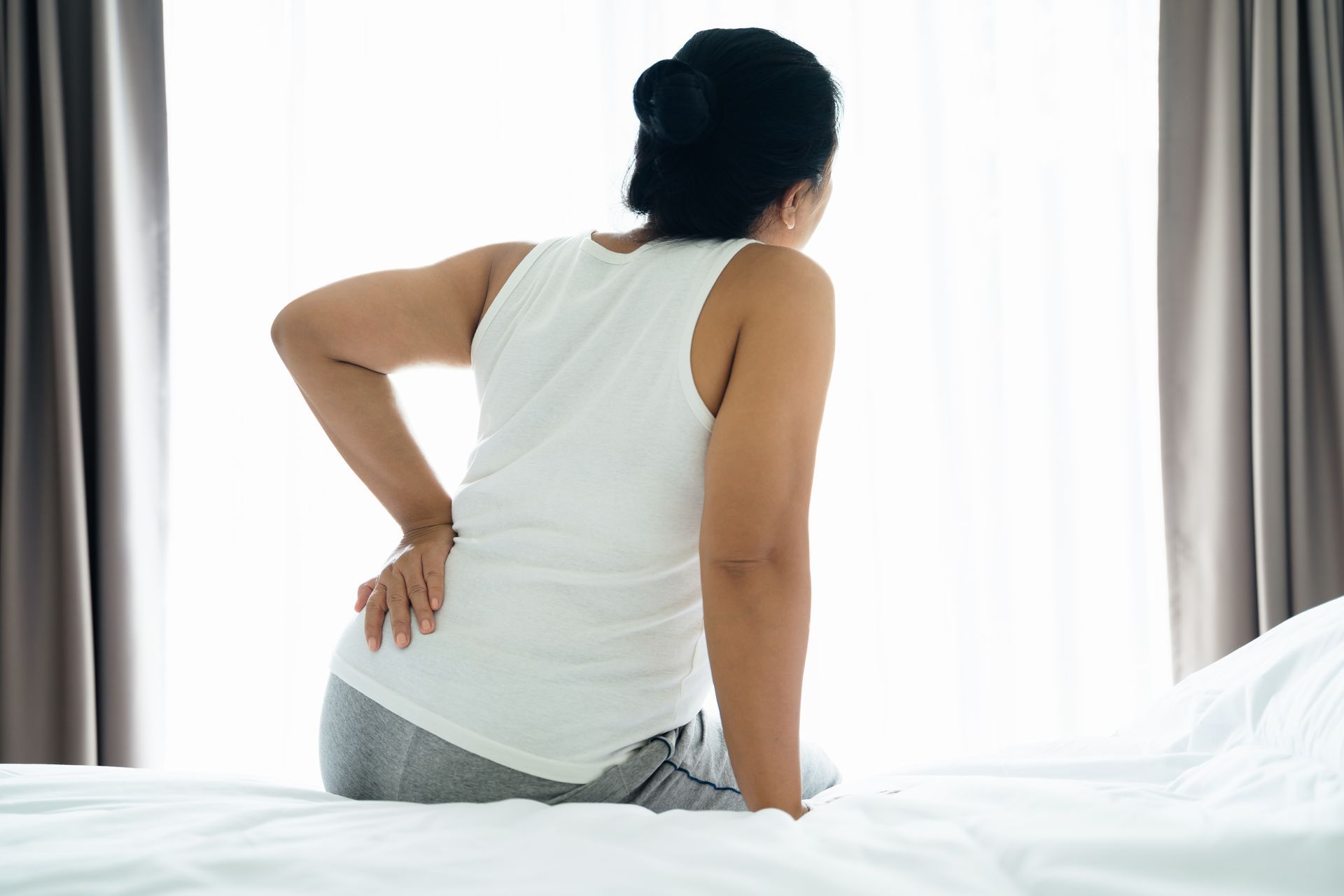
The Hidden Muscle That Can Help Prevent Falls (And Keep You Independent)
When people think about preventing falls, they usually focus on balance.
But new research shows something just as important:
👉
Strength in your hips — especially the outer hip muscles
What Did the Study Find?
A large long-term study looked at over 900 adults aged 65 and older to understand what leads to serious falls.
Here’s what they found:
- Stronger hip abductor muscles (outer hip muscles) lowered fall risk
- Every increase in strength reduced fall risk by about 16%
- People with weaker hips were more likely to have injurious falls
- Confidence in balance also mattered — but strength helped explain part of that risk
👉 Simple takeaway:
Stronger hips = better balance + lower risk of serious falls
Why Hip Strength Matters So Much
Your hip muscles do more than just help you walk.
They are critical for:
- Keeping your body steady when you shift weight
- Preventing side-to-side loss of balance
- Stabilizing your pelvis during walking
When these muscles are weak:
- Your body sways more
- Your reaction time slows
- You’re more likely to lose balance and fall
This is especially important because most dangerous falls happen:
👉 Sideways or backward — where hip stability is key
It’s Not Just Physical — Confidence Matters Too
The study also found something interesting:
👉 People who
feel less confident in their balance tend to move less
👉 Moving less leads to
weaker muscles
👉 Weaker muscles increase
fall risk
This creates a cycle:
Fear → Less movement → Weakness → Higher fall risk
How This Impacts Daily Life
Weak hip strength can affect:
- Walking
- Getting up from a chair
- Climbing stairs
- Carrying groceries
- Staying active and independent
Over time, this can lead to:
- Increased fall risk
- Loss of independence
- Decreased quality of life
How Our Team Helps Reduce Fall Risk
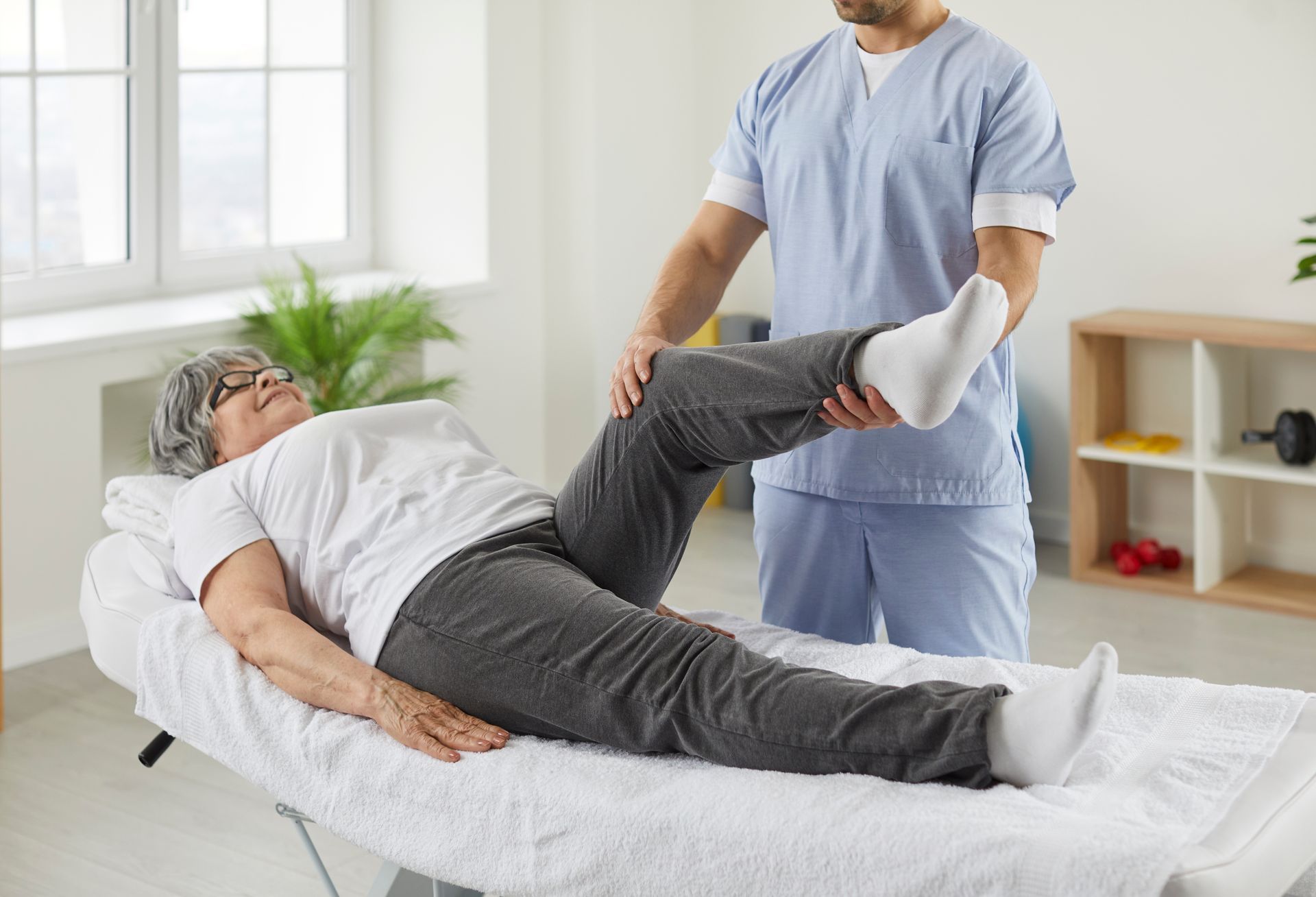
At our clinic, we don’t just focus on balance — we focus on building strength and confidence together
Occupational Therapy (OT)
We help you:
- Improve functional strength for daily tasks
- Train balance during real-life activities (not just exercises)
- Build confidence with movement and reduce fear of falling
- Safely return to activities you enjoy
Chiropractic Care
- Improves joint mobility and alignment
- Helps your body move more efficiently
- Reduces stiffness that can limit balance reactions
Acupuncture
- Helps reduce pain that limits movement
- Supports nervous system regulation
- Promotes relaxation and recovery
Medical Providers
- Address underlying conditions
- Help manage medications that may affect balance
Why a Team Approach Works Best
This study shows that both physical strength AND confidence matter
That’s why a combined approach works best.
By improving:
- Muscle strength
- Movement patterns
- Balance confidence
We can reduce:
- Fall risk
- Injury risk
- Fear of movement
And improve:
- Independence
- Mobility
- Overall quality of life
Simple Takeaway
If you want to reduce your risk of falling:
- Don’t just focus on balance drills
- Don’t wait until a fall happens
👉 Start strengthening your
hips
👉 Build confidence in movement
👉 Get guidance from a team that treats the
whole person
Ready to Stay Strong and Independent?
If you or a loved one:
- Feels unsteady
- Has had a fall
- Avoids activity due to fear
We’re here to help you move safely, confidently, and independently.
Study Link
https://doi.org/10.1002/jcsm.70280
Reference
Yosef, T., Pasco, J. A., Tembo, M. C., & Holloway-Kew, K. L. (2026).
Hip abductor strength predicts injurious falls and mediates the balance confidence–falls relationship.
Journal of Cachexia, Sarcopenia and Muscle.