
Strength Training for Chronic Low Back Pain: Is It Better Than Core Exercises Alone?

July 13, 2026

Low back pain is something nearly everyone experiences at some point in life. In fact, research estimates that up to 80% of adults will deal with low back pain, making it one of the leading causes of disability worldwide.

When back pain becomes chronic, many people wonder:

"Should I just strengthen my core?"

Or...

"Can I still lift weights?"

A recent randomized controlled trial suggests the answer may surprise you.


The Study

Researchers followed adults with chronic low back pain for 12 weeks.

Everyone participated in a weekly rehabilitation exercise class. However, half of the participants also completed one additional 45-minute whole-body strength training workout each week using resistance machines.

The researchers wanted to know if adding full-body strength training would improve:

  • Pain
  • Strength
  • Function
  • Pain sensitivity

compared to rehabilitation exercise alone.


The Results

Both groups reported improvements in pain over time.

But the group performing whole-body strength training experienced several additional benefits.

They demonstrated:

  • Increased trunk (core) strength
  • Reduced sensitivity to pressure over the low back
  • Continued pain improvements one month after the program ended

Perhaps most importantly, the researchers found that stronger trunk muscles were associated with lower pain sensitivity.


What Does "Pain Sensitivity" Mean?

Pain isn't always about damaged tissue.

When someone has chronic low back pain, the nervous system can become more sensitive over time.

Think of it like a car alarm that's become overly sensitive.

Instead of only going off when someone hits the car, it starts sounding because of rain or wind.

The same thing can happen with chronic pain.

Normal movement begins to feel painful even though the tissues themselves may be healthy.

The study found that whole-body strength training helped decrease this sensitivity, suggesting it may positively influence how the nervous system processes pain—not just strengthen muscles.


Why Whole-Body Strength Matters

Many rehabilitation programs focus almost entirely on "core exercises."

While core stability remains important, your spine doesn't function in isolation.

Everyday activities require your entire body to work together.

Whether you're:

  • Carrying groceries
  • Lifting your child
  • Playing golf
  • Gardening
  • Returning to the gym
  • Working a physically demanding job

your hips, legs, shoulders, and trunk all contribute to protecting your back.

Improving total-body strength allows these muscles to share the workload, reducing unnecessary stress on the lumbar spine.


Does This Mean Heavy Lifting Is Safe?

For many people—yes.

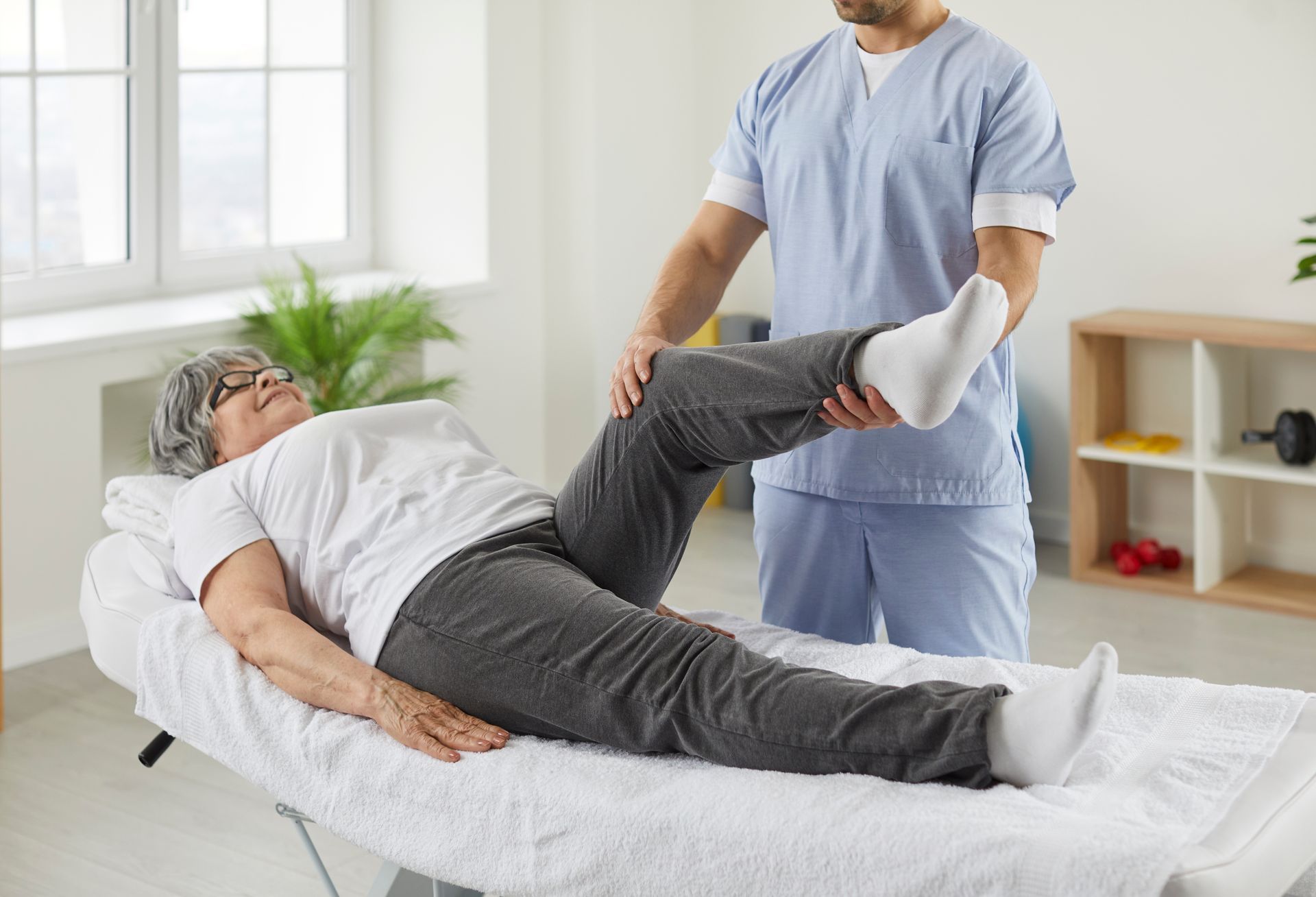
When appropriately prescribed and progressed, resistance training is considered one of the recommended treatments for chronic low back pain.

That doesn't mean jumping into maximal deadlifts on day one.

Instead, it means gradually building strength with exercises matched to your current abilities and goals.


Movement Is Medicine

One of the biggest messages from this study is that avoiding movement isn't usually the answer.

Many people with chronic back pain become fearful of bending, lifting, or exercising.

Unfortunately, prolonged inactivity often leads to:

  • Muscle weakness
  • Deconditioning
  • Reduced confidence
  • Increased stiffness
  • Greater pain over time

A structured strengthening program helps reverse that cycle.


How Occupational Therapy Can Help

At Thrive Sports & Spine, occupational therapy isn't just about reducing pain—it's about helping you return to the activities that matter most.

Treatment may include:

  • Progressive strengthening
  • Functional lifting mechanics
  • Core stabilization
  • Mobility exercises
  • Balance training
  • Manual therapy
  • Activity modification
  • Home exercise progression

Rather than avoiding movement, we help you build confidence so you can safely return to work, exercise, hobbies, and everyday life.


Chiropractic Care Can Complement Strength Training

Joint stiffness can contribute to altered movement patterns and muscle compensation.

Our chiropractors work alongside occupational therapy to restore mobility where needed, allowing strengthening exercises to be performed more comfortably and efficiently.


Acupuncture May Help Manage Chronic Pain

For patients whose pain limits exercise participation, acupuncture may help:

  • Reduce pain
  • Decrease muscle tension
  • Improve relaxation
  • Support recovery between therapy sessions

This can make it easier to stay active while progressing through rehabilitation.


The Takeaway

For years, chronic low back pain was often treated with rest.

Today's research tells a different story.

This study suggests that adding whole-body strength training to a rehabilitation program can improve trunk strength and reduce pain sensitivity, while also supporting meaningful improvements in chronic low back pain.

The goal isn't simply having a "strong core."

It's building a stronger, more resilient body that allows you to move with confidence again.


Ready to Get Stronger?

If chronic low back pain has been keeping you from doing the things you enjoy, our multidisciplinary team can help.

We'll evaluate how you move, identify the factors contributing to your pain, and create a personalized rehabilitation plan designed to help you get back to living—not just managing your symptoms.


Reference

Tomschi, F., Meder, K., & Hilberg, T. (2026). Effects of Whole-Body Strength Training on Pain and Strength in Chronic Low Back Pain: A Randomized Controlled Trial.



July 13, 2026
Running is one of the easiest and healthiest forms of exercise. Whether you're training for your first 5K or your tenth marathon, running improves cardiovascular health, strengthens bones, and boosts mental health. Unfortunately, it also comes with a downside. Research shows that 25-30% of all running-related injuries occur at the knee , making it the most commonly injured joint in runners. The good news? Many of these injuries are preventable.  What Causes Running Knee Injuries? A recent systematic review analyzed 20 different studies involving endurance runners to identify what consistently increases the risk of knee injuries. Instead of finding one single cause, researchers discovered that knee pain usually develops from multiple factors working together. The three biggest risk factors were: Previous knee or running injury Training too much or progressing too quickly Biomechanical factors (how your body moves while running) The Biggest Predictor: Previous Injury One of the strongest findings from the review was that runners who had been injured before were much more likely to get injured again. Why? After an injury, many runners return to training before they've fully recovered. Even if the pain is gone, there may still be: Muscle weakness Poor balance Reduced flexibility Changes in running mechanics Decreased shock absorption Without addressing these issues, the body often compensates, increasing stress on other joints and tissues. More Miles Isn't Always Better Many runners believe that more training automatically leads to better performance. Not necessarily. The review found that rapid increases in weekly mileage, longer training hours, and higher overall training loads consistently increased the risk of knee injuries. Your body needs time to adapt. When muscles, tendons, and joints don't have enough recovery time, repetitive stress begins to build faster than your body can repair it. This is when overuse injuries begin to develop. Running Form Matters Researchers also found that movement patterns can influence injury risk. Some runners demonstrated: Increased pelvic tilt Poor hip control Excessive trunk lean Abnormal knee loading Reduced shock absorption These movement patterns may place additional stress on structures around the knee, especially during longer runs. It's important to remember that there is no single "perfect" running form. Instead, the goal is to identify movement patterns that may be contributing to your specific pain. Common Running Knee Injuries The review highlighted three conditions that occur most often. Patellofemoral Pain Syndrome (Runner's Knee) Often felt around or behind the kneecap. Pain usually worsens with: Running hills Stairs Squatting Sitting for long periods Contributors include poor hip strength, altered mechanics, and training errors. Iliotibial Band Syndrome (IT Band Syndrome) Pain develops on the outside of the knee. This condition is commonly associated with: Increased training volume Hip and pelvic control deficits Running biomechanics Previous injury history Patellar Tendinopathy (Jumper's Knee) Pain occurs just below the kneecap where the patellar tendon attaches. Risk increases with: High training volume Tight hamstrings Previous knee injury Poor load management How Occupational Therapy Can Help At Thrive Sports & Spine, occupational therapy focuses on helping runners return to the activities they love. Treatment may include: Strengthening weak hips and legs Improving flexibility and mobility Addressing balance and stability deficits Correcting movement patterns during functional activities Building a gradual return-to-running program Reducing pain while improving performance Rather than simply treating symptoms, we work to identify why the injury developed in the first place. Chiropractic Care Can Improve Movement Restricted joints can alter the way forces travel through the body while running. Our chiropractors evaluate spinal, pelvic, and lower-extremity mobility to help restore efficient movement and reduce unnecessary stress on the knees. Acupuncture Can Help Manage Pain For runners dealing with persistent soreness or overuse injuries, acupuncture may help: Reduce pain Decrease muscle tension Promote relaxation Support recovery between training sessions Prevention Is Better Than Recovery The biggest lesson from this review is that most running injuries don't happen because of one bad run. Instead, they develop gradually through a combination of previous injury, excessive training, and movement patterns over time. If you're preparing for a race—or simply enjoy running for fitness—taking the time to improve strength, mobility, and recovery can help keep you healthy for miles to come. Ready to Keep Running Pain-Free? Whether you're training for your next marathon or just getting started, our multidisciplinary team can help you move better, recover faster, and reduce your risk of injury. From gait assessments and strength training to manual therapy and personalized rehabilitation, we'll build a plan that keeps you doing what you love. Reference Senthil, K., Whitaker, S., Goodloe, J., et al. (2026). Common Risk Factors for Knee Injuries in Runners: A Systematic Review. Orthopaedic Journal of Sports Medicine.
July 13, 2026
Many people think chronic low back pain is simply caused by sore muscles or a "bad back." However, new research suggests that long-lasting back pain affects much more than the spine. It can change how your body processes pain, reduce your physical fitness, and even impact your mental well-being. What Did the Study Find? Researchers compared adults with chronic low back pain to healthy individuals to better understand how pain affects the body. They discovered that people with chronic low back pain had: Higher levels of anxiety and depression More pain catastrophizing (expecting the worst from pain) Greater signs of pain sensitivity, also known as central sensitization Reduced walking endurance during a 6-minute walking test The researchers also found that pain sensitivity and psychological stress explained about 60% of the differences in walking ability , showing that chronic pain affects much more than just the muscles and joints. Your Nervous System Can Become More Sensitive When pain lasts for months, your nervous system can become overly sensitive. This process, called central sensitization , means your brain and spinal cord begin to amplify pain signals. As a result: Normal movements may feel painful. Minor aches can feel much worse than expected. Pain may continue even after tissues have healed. This helps explain why many people continue experiencing back pain even when imaging shows only mild changes. Chronic Pain Can Affect Your Fitness The study found that individuals with chronic low back pain walked significantly shorter distances than healthy adults. This often happens because people begin avoiding movement due to fear of pain. Unfortunately, less movement can lead to: Muscle weakness Reduced endurance Poor conditioning Increased stiffness Greater disability over time The good news is that safely increasing movement can help reverse this cycle. Your Mind and Body Work Together One of the biggest findings from this research is that psychological health and physical health are closely connected. People experiencing more: Anxiety Depression Fear of movement Pain catastrophizing also tended to have poorer walking performance and greater pain sensitivity. This does not mean the pain is "all in your head." Instead, it shows that chronic pain is influenced by both the body and the nervous system. Treating only one piece of the puzzle often isn't enough. How Our Team Can Help At Thrive Sports & Spine, we use a team-based approach to address the many factors contributing to chronic low back pain. Occupational Therapy (OT) Our occupational therapists help patients: Restore strength and endurance Improve movement patterns and body mechanics Increase walking tolerance Reduce fear of movement through graded exercise Return to work, hobbies, exercise, and everyday activities safely Chiropractic Care Our chiropractors help improve: Joint mobility Spinal mechanics Overall movement efficiency This can decrease stiffness and improve how the body moves throughout the day. Acupuncture Acupuncture may help: Reduce pain Calm an overactive nervous system Improve relaxation Support the body's natural healing process Medical Providers Our medical team can: Evaluate persistent pain Rule out underlying medical conditions Coordinate medications or additional treatments when appropriate Ensure you're receiving the right care at the right time The Best Results Come From Treating the Whole Person This study reinforces an important message: Successful treatment of chronic low back pain goes beyond treating the spine alone. By improving: Strength Endurance Movement quality Pain sensitivity Confidence with activity patients can often move with less pain and enjoy a higher quality of life. Don't Let Chronic Back Pain Control Your Life If you've been living with back pain for months—or even years—you don't have to simply "learn to live with it." Our multidisciplinary team works together to identify the factors contributing to your pain and create a personalized treatment plan that helps you: Move better Feel stronger Reduce pain Improve confidence Get back to doing the activities you enjoy Every journey starts with a comprehensive evaluation and a plan tailored specifically to your goals. Study Link https://bmcmusculoskeletdisord.biomedcentral.com/articles/10.1186/s12891-026-08634-8  Reference Yeung, M. J. L. C., Fok, F. H. Y., Kwan, J. W. L., Lui, C. W. S., & Tsang, S. M. H. (2026). Profile and association between pain sensitivity and physical fitness in individuals with chronic low back pain. BMC Musculoskeletal Disorders, 27, 586.
July 1, 2026
As we get older, aches and pains often become part of everyday life. Back pain, neck pain, arthritis, and joint stiffness can make it harder to stay active and enjoy the things you love. Many older adults are interested in chiropractic care but wonder if it is safe for their age. A new systematic review published in Chiropractic & Manual Therapies helps answer that important question.
July 1, 2026
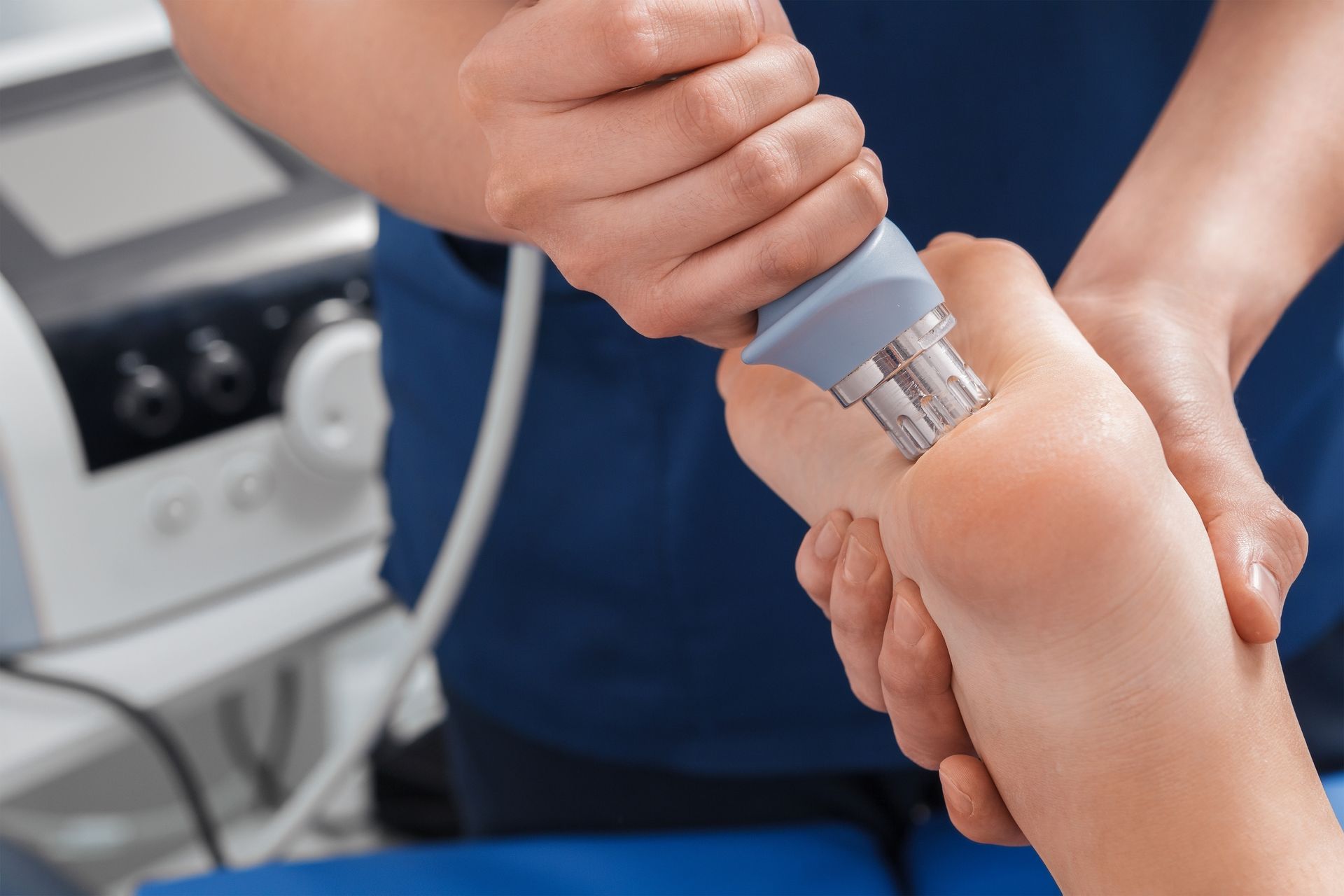
Heel pain can make even simple activities like walking the dog, exercising, or standing through a work shift uncomfortable. One of the most common causes of heel pain is plantar fasciitis, a condition involving irritation of the thick band of connective tissue that supports the arch of your foot. While many people improve with stretching, supportive footwear, and activity modification, others continue to experience pain for months despite trying multiple treatments. A recent study published in the Journal of Clinical Medicine examined how radial extracorporeal shockwave therapy (ESWT) affects patients with chronic plantar fasciitis that had not responded to conservative care.
July 1, 2026
Low back pain affects people of all ages and activity levels. Whether you enjoy working out, playing sports, gardening, or simply want to keep up with your family, back pain can make everyday activities more difficult. A recent study published in the Journal of Back and Musculoskeletal Rehabilitation found that a structured whole-body strength training program significantly improved pain, strength, and function in people with chronic low back pain. The findings support an approach that combines proper movement with progressive strengthening to help people recover and stay active.
April 22, 2026
Positive Outcomes of spinal decompression for low back pain
April 22, 2026
A 2025 systematic review of 36 randomized controlled trials (~2000 patients) found PRP significantly reduced pain scores compared to controls at...
April 21, 2026
If you’ve ever felt pain on the inside of your elbow when gripping, lifting, or swinging a golf club — you might be dealing with medial epicondylitis, also known as golfer’s elbow.
April 21, 2026
When people think about preventing falls, they usually focus on balance.
April 8, 2026
Neck pain is very common, but most people only think about the pain itself. New research shows that neck pain may also affect how your body controls movement and balance. A recent study published in PLOS One looked at how the neck works with the brain and nervous system. The neck plays an important role in helping your body understand position, movement, and balance. When the neck is not working properly, this system can become disrupted. What the Study Found Researchers studied people with chronic neck pain and measured how their neck muscles responded under different conditions. They looked at how the body uses vision and proprioception , which is your body’s ability to sense position and movement. They found that: Neck muscle activity changed depending on sensory input People with neck pain relied more on certain systems to stay balanced The body created compensations to deal with poor neck function This means that neck pain is not just about tight muscles. It can change how your brain and body work together. Study link: https://journals.plos.org/plosone/article?id=10.1371/journal.pone.0340633 Why This Matters for Athletes and Everyday Life Your neck is a key part of your movement system. It helps guide posture, balance, coordination, and reaction time. When the neck is not working well, it can lead to: Poor balance Slower reaction time Increased risk of injury Muscle tightness and fatigue Ongoing neck pain and headaches This is important for: Athletes who rely on coordination and control Active adults who train or exercise People who sit for long hours or use screens often Even small changes in how the neck functions can affect how the entire body moves. How Thrive Sports & Spine Uses This Research to Guide Care At Thrive Sports & Spine, we treat neck pain by looking at the full system, not just the area of pain. This study supports our approach to improving movement, balance, and nervous system function. Chiropractic care helps restore normal joint motion and improve how the neck communicates with the rest of the body Acupuncture helps reduce muscle tension and calm the nervous system Occupational therapy and rehabilitation improve posture, coordination, and stability Medical care , when needed, helps manage more complex or persistent conditions By combining these treatments, we help: Improve biomechanics Restore proper movement patterns Reduce pain and tension Enhance performance and daily function Helping You Move Better and Stay Balanced Neck pain is more than just discomfort. It can change how your body moves, balances, and responds to the world around you. If you feel unsteady, tight, or continue to have neck pain that does not go away, the issue may be deeper than just muscle tension. Improving how your neck functions can help your entire body work better. At Thrive Sports & Spine, we focus on finding the cause of the problem so you can move with confidence and feel your best.  Reference Wei W, Li W, Wang Y, Zhang S, Fan G, Bai Y. Importance of visual and proprioceptive inputs for maintaining balance in patients with chronic non-specific neck pain. PLOS One. 2026;21(3):e0340633.