
Why Chronic Low Back Pain Is More Than Just a Back Problem
Many people think chronic low back pain is simply caused by sore muscles or a "bad back." However, new research suggests that long-lasting back pain affects much more than the spine. It can change how your body processes pain, reduce your physical fitness, and even impact your mental well-being.
What Did the Study Find?
Researchers compared adults with chronic low back pain to healthy individuals to better understand how pain affects the body.
They discovered that people with chronic low back pain had:
- Higher levels of anxiety and depression
- More pain catastrophizing (expecting the worst from pain)
- Greater signs of pain sensitivity, also known as central sensitization
- Reduced walking endurance during a 6-minute walking test
The researchers also found that pain sensitivity and psychological stress explained about 60% of the differences in walking ability, showing that chronic pain affects much more than just the muscles and joints.
Your Nervous System Can Become More Sensitive
When pain lasts for months, your nervous system can become overly sensitive.
This process, called central sensitization, means your brain and spinal cord begin to amplify pain signals. As a result:
- Normal movements may feel painful.
- Minor aches can feel much worse than expected.
- Pain may continue even after tissues have healed.
This helps explain why many people continue experiencing back pain even when imaging shows only mild changes.
Chronic Pain Can Affect Your Fitness
The study found that individuals with chronic low back pain walked significantly shorter distances than healthy adults.
This often happens because people begin avoiding movement due to fear of pain.
Unfortunately, less movement can lead to:
- Muscle weakness
- Reduced endurance
- Poor conditioning
- Increased stiffness
- Greater disability over time
The good news is that safely increasing movement can help reverse this cycle.
Your Mind and Body Work Together
One of the biggest findings from this research is that psychological health and physical health are closely connected.
People experiencing more:
- Anxiety
- Depression
- Fear of movement
- Pain catastrophizing
also tended to have poorer walking performance and greater pain sensitivity.
This does not mean the pain is "all in your head."
Instead, it shows that chronic pain is influenced by both the body and the nervous system. Treating only one piece of the puzzle often isn't enough.
How Our Team Can Help
At Thrive Sports & Spine, we use a team-based approach to address the many factors contributing to chronic low back pain.
Occupational Therapy (OT)
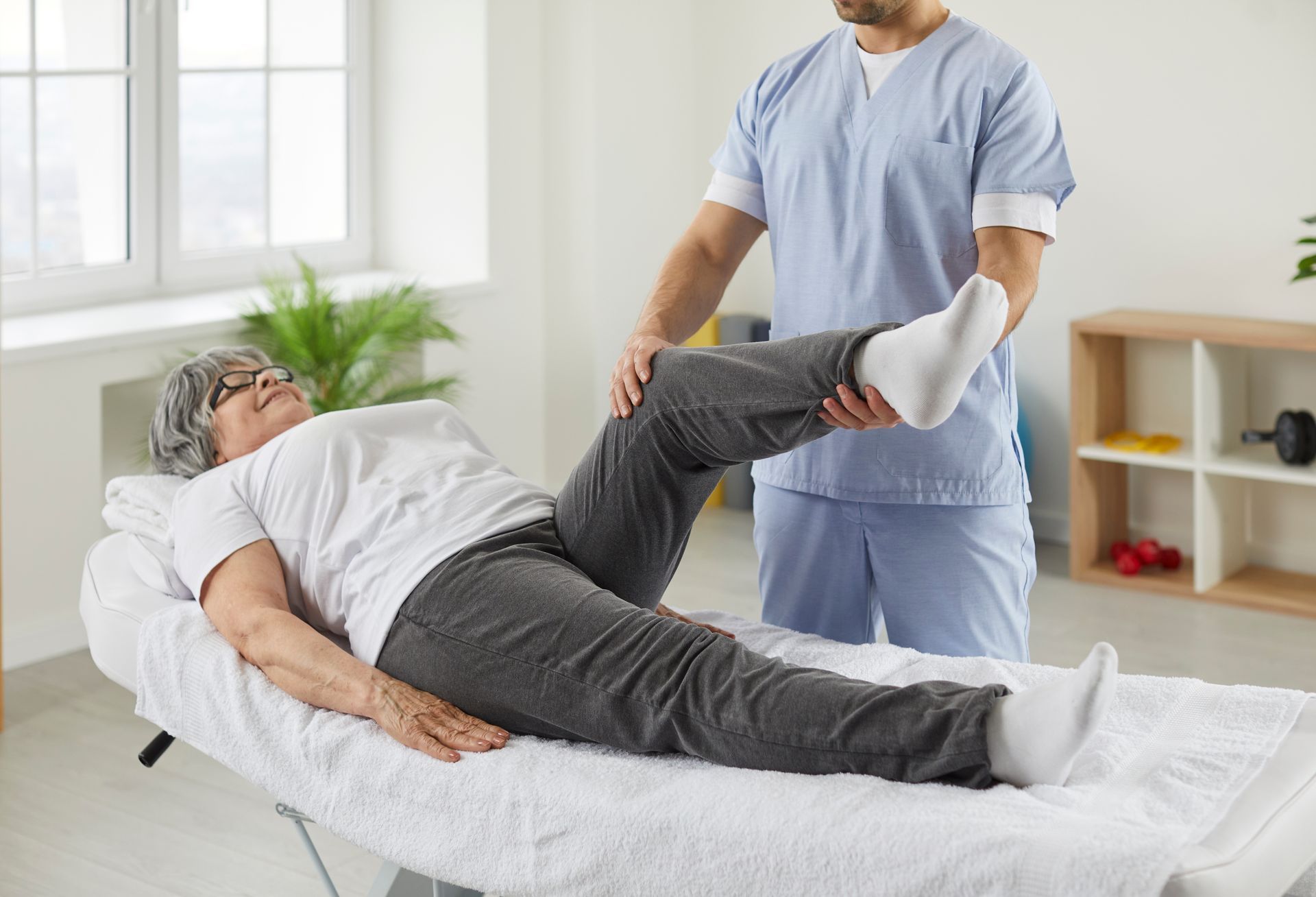
Our occupational therapists help patients:
- Restore strength and endurance
- Improve movement patterns and body mechanics
- Increase walking tolerance
- Reduce fear of movement through graded exercise
- Return to work, hobbies, exercise, and everyday activities safely
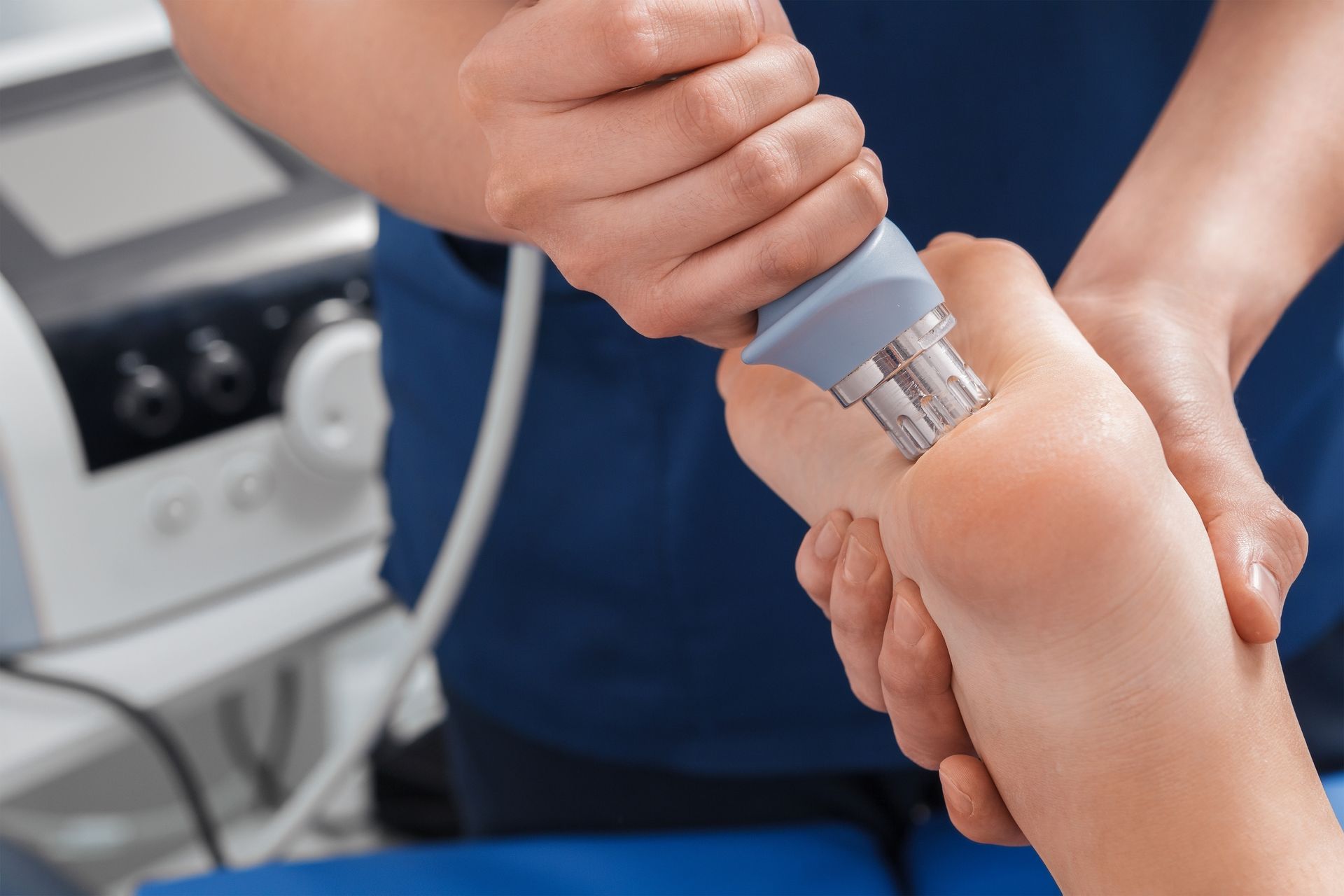
Chiropractic Care
Our chiropractors help improve:
- Joint mobility
- Spinal mechanics
- Overall movement efficiency
This can decrease stiffness and improve how the body moves throughout the day.
Acupuncture
Acupuncture may help:
- Reduce pain
- Calm an overactive nervous system
- Improve relaxation
- Support the body's natural healing process
Medical Providers
Our medical team can:
- Evaluate persistent pain
- Rule out underlying medical conditions
- Coordinate medications or additional treatments when appropriate
- Ensure you're receiving the right care at the right time
The Best Results Come From Treating the Whole Person
This study reinforces an important message:
Successful treatment of chronic low back pain goes beyond treating the spine alone.
By improving:
- Strength
- Endurance
- Movement quality
- Pain sensitivity
- Confidence with activity
patients can often move with less pain and enjoy a higher quality of life.
Don't Let Chronic Back Pain Control Your Life
If you've been living with back pain for months—or even years—you don't have to simply "learn to live with it."
Our multidisciplinary team works together to identify the factors contributing to your pain and create a personalized treatment plan that helps you:
- Move better
- Feel stronger
- Reduce pain
- Improve confidence
- Get back to doing the activities you enjoy
Every journey starts with a comprehensive evaluation and a plan tailored specifically to your goals.
Study Link
https://bmcmusculoskeletdisord.biomedcentral.com/articles/10.1186/s12891-026-08634-8
Reference
Yeung, M. J. L. C., Fok, F. H. Y., Kwan, J. W. L., Lui, C. W. S., & Tsang, S. M. H. (2026). Profile and association between pain sensitivity and physical fitness in individuals with chronic low back pain. BMC Musculoskeletal Disorders, 27, 586.