
What Do Modern Guidelines Recommend for Low Back Pain?
Low back pain is one of the most common reasons people seek healthcare. It can affect athletes, active adults, people who sit all day for work, and older adults trying to stay independent. With so many treatment options available, it can be difficult to know where to start.
A 2026 review published in The Lancet Rheumatology looked at clinical practice guidelines from around the world to see how experts currently recommend treating non-specific low back pain. The researchers also compared how these recommendations have changed over the past 30 years.
What the Research Found
Researchers reviewed 32 clinical practice guidelines for the diagnosis and treatment of non-specific low back pain.
For acute low back pain, commonly recommended treatments included staying active, heat therapy, spinal manipulation, and nonsteroidal anti-inflammatory drugs when appropriate.
For chronic low back pain, recommendations placed a greater focus on exercise, psychological approaches, multidisciplinary care, acupuncture, and spinal manipulation, often as part of a larger treatment plan.
One of the biggest themes across the guidelines was that low back pain should not always be treated with one single approach. Treatment should be based on the patient's symptoms, health history, function, and individual needs.
The guidelines also support properly evaluating patients before treatment and avoiding unnecessary testing or treatment when it is unlikely to improve care.
Why This Matters for People With Low Back Pain
When your back hurts, it is natural to want one treatment that will fix the problem. However, low back pain can be influenced by many different factors.
Joint mobility, muscle strength, movement patterns, physical activity, work demands, sleep, stress, and previous injuries can all play a role in how someone experiences and recovers from back pain.
This is why modern guidelines increasingly support active and conservative care rather than relying on one treatment alone.
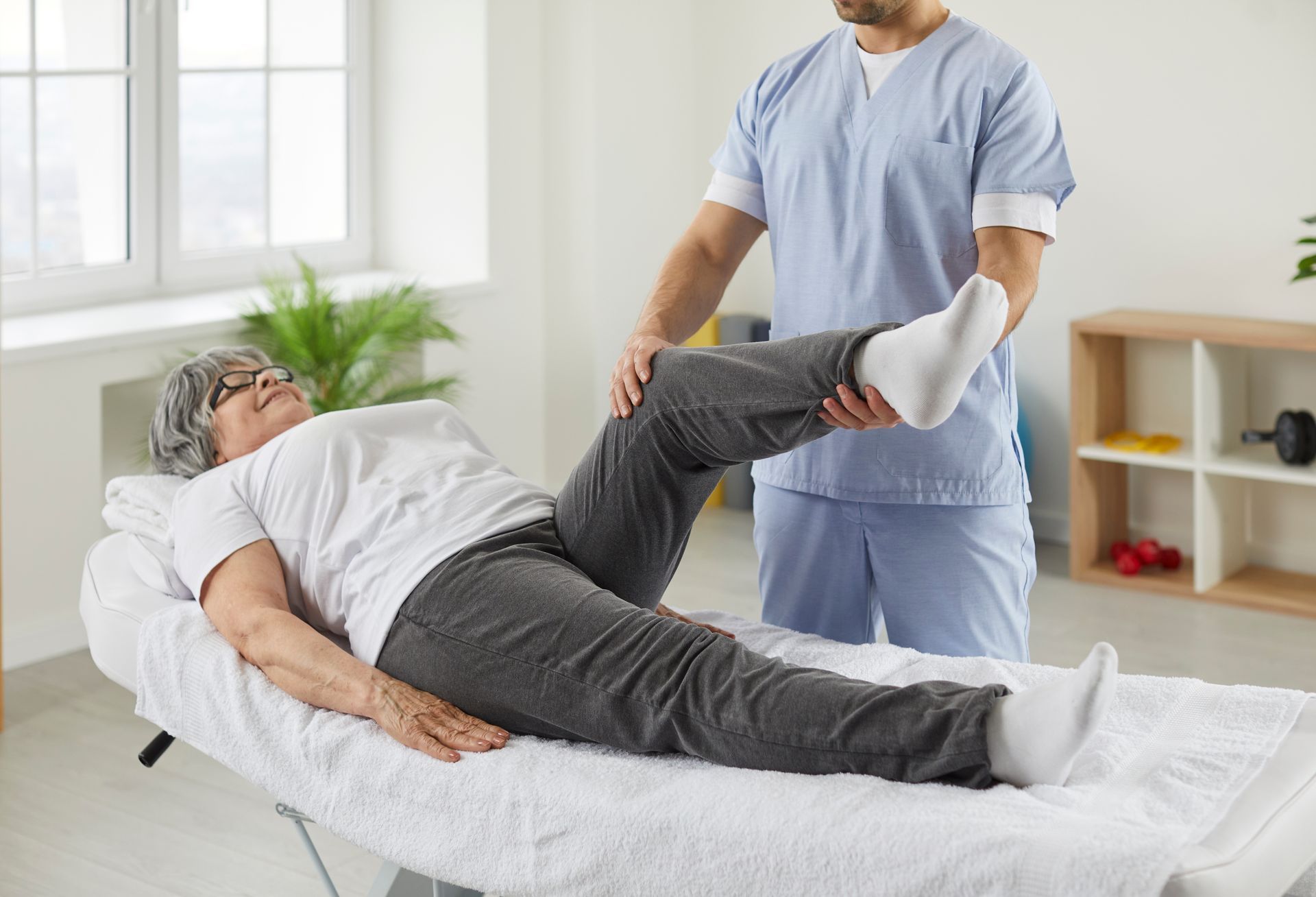
For many patients, getting better may involve reducing pain while also restoring movement, rebuilding strength, and gradually returning to normal activities.
How Thrive Sports & Spine Uses This Research to Guide Care
At Thrive Sports & Spine, we believe there is no one-size-fits-all treatment for low back pain. Our multidisciplinary team evaluates each patient to determine what may be contributing to their symptoms and which treatments are appropriate for their individual needs.
Our approach may include:
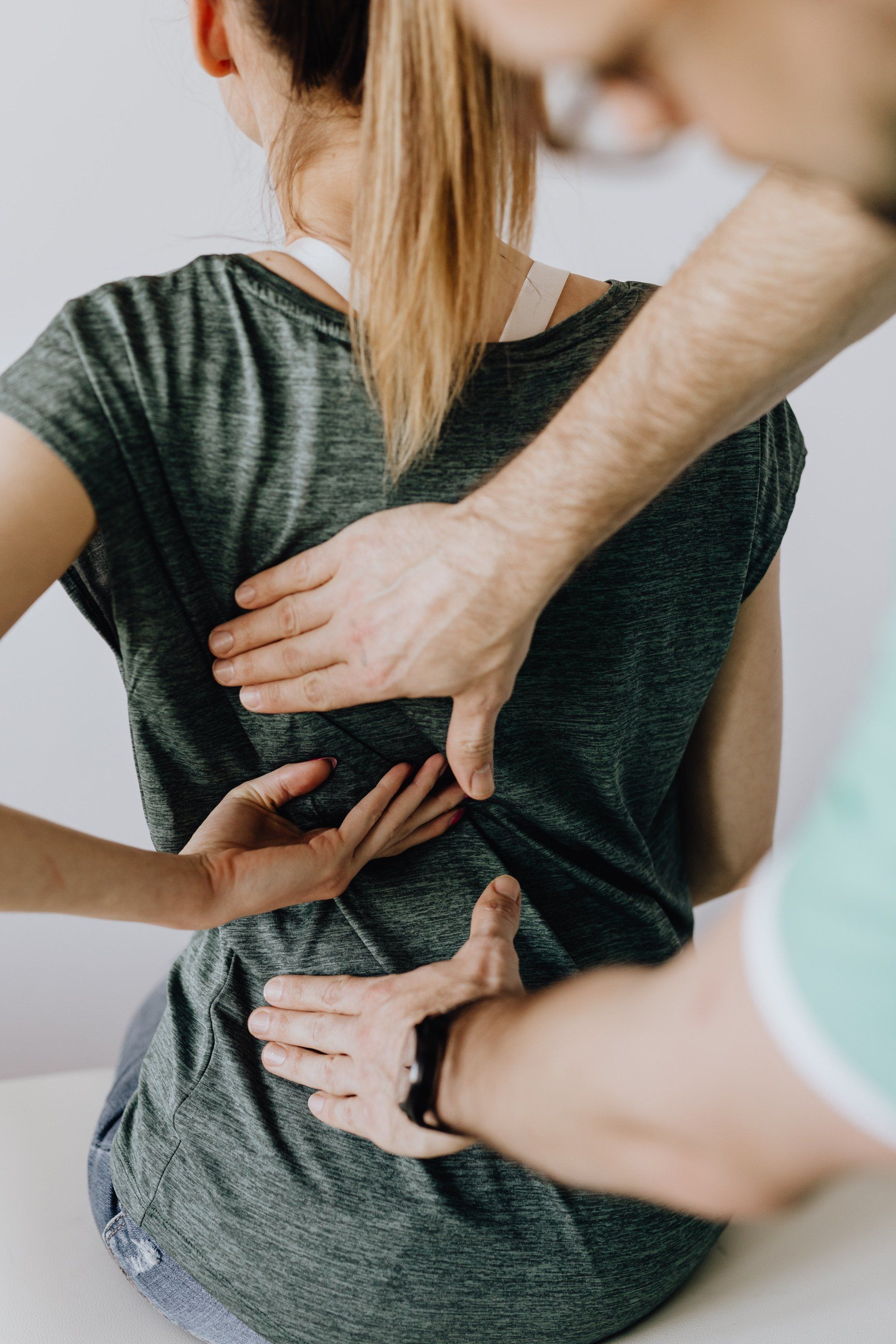
- Chiropractic care to improve joint mobility, movement, and spinal mechanics when manipulation or mobilization is appropriate.
- Occupational therapy and rehabilitation to improve mobility, strength, stability, movement patterns, and the ability to perform everyday activities.
- Acupuncture as a conservative option for helping manage pain and supporting a more complete treatment plan.
- Exercise and patient education to help patients become more confident with movement and build the strength needed for long-term improvement.
- Medical care when appropriate to evaluate more complex conditions, discuss medication options, or determine when additional testing or referral may be necessary.
The goal is not simply to make your back feel better for a few hours. We want to understand why you are having difficulty moving, identify the factors we can change, and help you return to work, exercise, sports, and everyday life with greater confidence.
Better Low Back Pain Care Starts With the Right Plan
Low back pain is common, but that does not mean every patient should receive the same treatment.
This review of modern clinical guidelines reinforces something we see every day at Thrive Sports & Spine: successful low back pain care often combines appropriate hands-on treatment with movement, exercise, education, and other conservative options based on the patient's needs.
Whether your pain started recently or has been bothering you for months, the right first step is a thorough evaluation followed by a treatment plan built around your symptoms, goals, and lifestyle.
Reference:
Oliveira CB, Koes BW, Pinto RZ, Traeger AC, Machado GC, Lin C-WC, Hayden JA, Hartvigsen J, Jones CMP, Chen Q, Chiarotto A, Maher CG. Towards global clinical practice guidelines for the management of non-specific low back pain in primary care: a review of current guideline recommendations and how they have changed over the last 30 years. The Lancet Rheumatology. 2026;8(6). doi:10.1016/S2665-9913(26)00077-9.