
Hormones and Tendon Health: What Active Women Should Know
Tendon pain can show up in many different places. It may feel like shoulder pain when reaching overhead, elbow pain when gripping, or pain around the knee or ankle during exercise.
Tendon problems are especially common as we get older, but age is not the only factor that may affect tendon health.
A 2026 study published in the Orthopaedic Journal of Sports Medicine looked at whether hormone replacement therapy, also called HRT, was associated with certain tendon injuries in women age 45 and older.
The researchers found that women using systemic HRT had higher rates of several tendon conditions compared with similar women who were not using HRT.
The findings do not mean that HRT directly causes tendon injuries. However, they add to growing research showing that hormones may play an important role in how tendons respond to stress, exercise, and injury.
What the Study Found
Researchers used a large healthcare database to study women age 45 and older with tendon-related diagnoses.
After matching patients for factors such as age, body mass index, health conditions, medications, and other possible risk factors, the researchers compared 63,836 women using systemic HRT with 63,836 women who were not using HRT.
Several tendon problems were more common in the HRT group.
These included:
- Rotator cuff tears
- Bicipital tendinitis
- Lateral epicondylitis, commonly called tennis elbow
- Medial epicondylitis, commonly called golfer's elbow
For example, rotator cuff tears were reported in 39.2% of the HRT group compared with 37.9% of the non-HRT group.
Lateral epicondylitis showed a larger difference, occurring in 27.8% of HRT users compared with 22.7% of non-users.
Not every tendon condition showed the same pattern.
Rates of Achilles tendinopathy were almost identical between the two groups, and differences in patellar tendinitis were small and not statistically significant.
The researchers also found slightly higher rates of several tendon repair surgeries among women using HRT.
However, the overall differences between the groups were generally modest.
Study Link:
https://pmc.ncbi.nlm.nih.gov/articles/PMC13213144/
Why Hormones May Matter for Tendon Health
Tendons connect muscles to bones and help transfer force when we walk, run, lift, throw, or perform everyday activities.
They are made largely of collagen, which gives them strength while still allowing them to handle repeated loading.
Estrogen appears to play a role in collagen production, tendon stiffness, and tissue remodeling.
During perimenopause and menopause, hormone levels can change significantly. These changes may affect how tendons respond to exercise and recover from repeated stress.
Hormone replacement therapy is commonly prescribed to help manage menopausal symptoms. HRT can provide important benefits for many women, but researchers are still learning how different hormone levels, doses, and treatment methods may affect muscles, bones, ligaments, and tendons.
The authors of this study suggest that tendon health may have a complex relationship with estrogen.
Very low estrogen levels may negatively affect collagen production and tendon strength. At the same time, prolonged exposure to higher hormone levels may change tendon stiffness or how the tissue remodels after stress.
More research is needed to understand this relationship.
What This Means for Active Women
This study does not mean women should avoid hormone replacement therapy.
HRT is prescribed for many different reasons, and decisions about hormone treatment should always be made with the healthcare provider managing that medication.
Women should not stop or change HRT because of this study alone.
Instead, the research gives us another factor to consider when evaluating tendon pain.
A woman experiencing persistent shoulder, elbow, knee, or ankle pain may have several contributing factors, including:
- Training volume
- Repetitive activity
- Muscle weakness
- Previous injury
- Joint mobility
- Movement mechanics
- Age
- Metabolic health
- Medications
- Hormonal changes
Understanding the full picture can help guide treatment and reduce the chance of simply treating the painful area without addressing other contributing factors.
How Thrive Sports & Spine Uses This Research to Guide Care
At Thrive Sports & Spine, we look at tendon pain from both a local and whole-body perspective.
The painful tendon is important, but we also evaluate how the surrounding joints, muscles, and movement patterns may be affecting the amount of stress placed on that tissue.
Depending on the condition and the patient's individual needs, care may include:
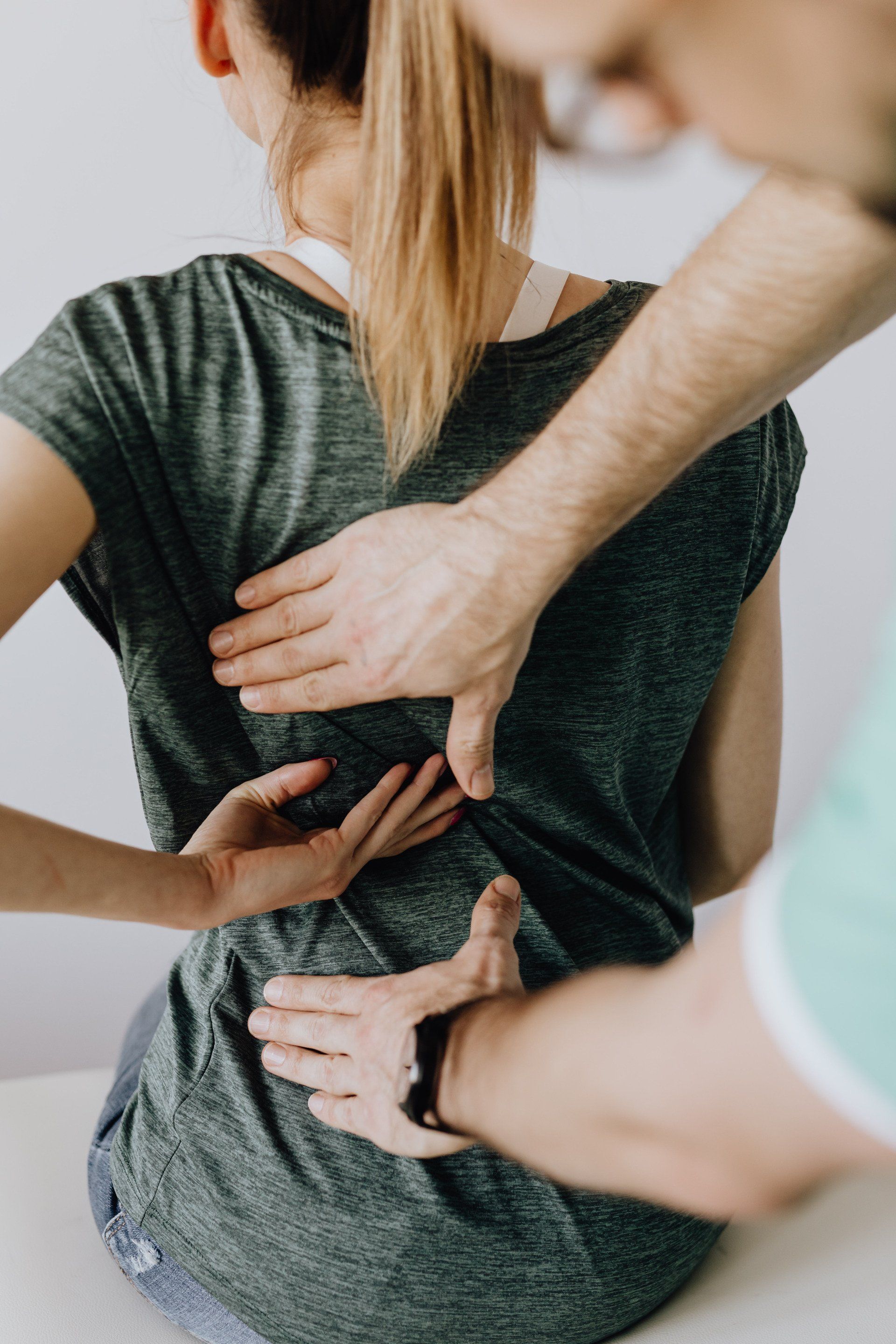
- Chiropractic care to evaluate joint mobility and biomechanics that may affect how forces move through the shoulder, elbow, hip, knee, or ankle.
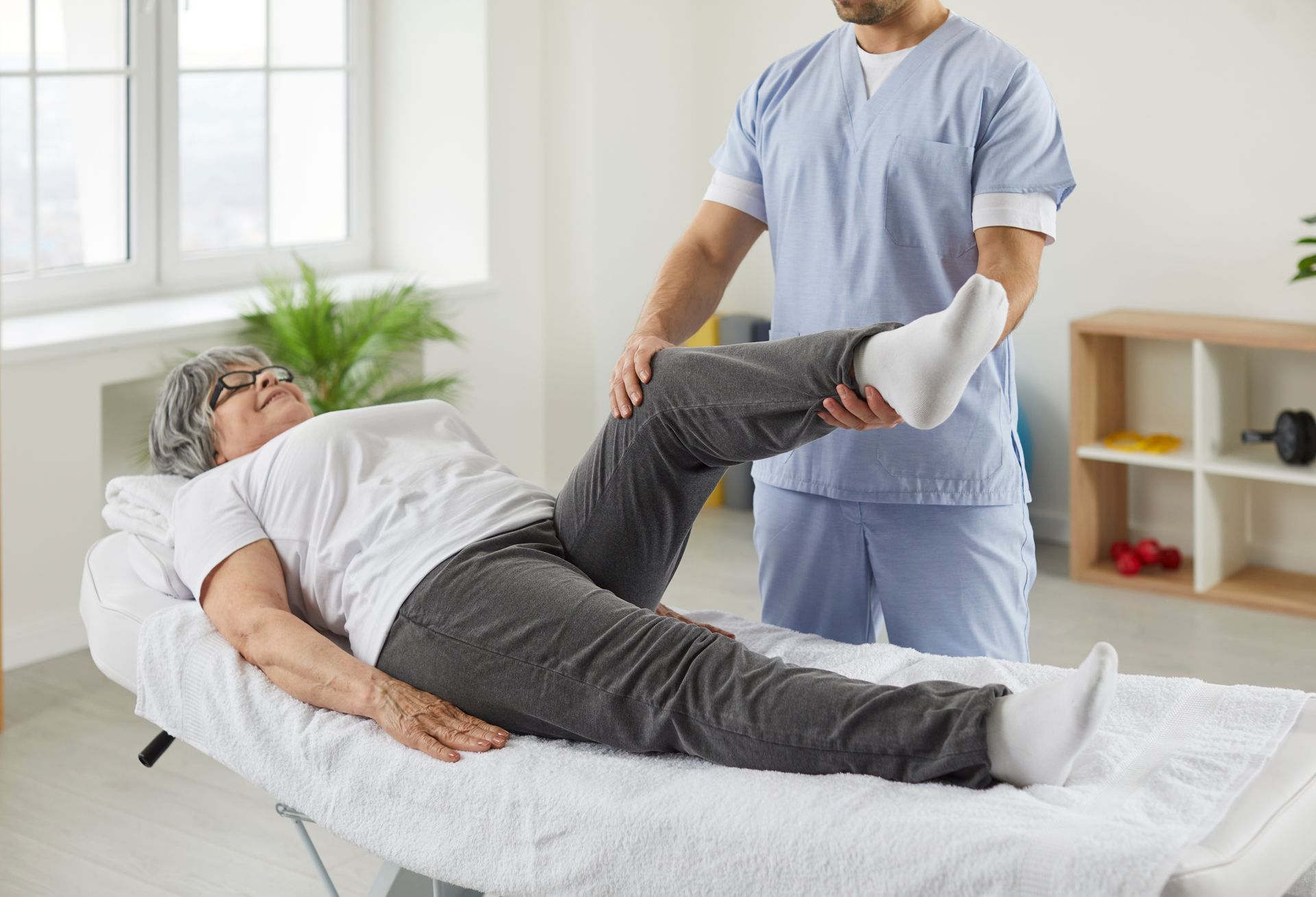
- Occupational therapy and rehabilitation to improve strength, tendon loading tolerance, coordination, and movement patterns while gradually returning patients to normal activity.
- Soft tissue treatment to address surrounding muscle and connective tissue restrictions that may affect movement.
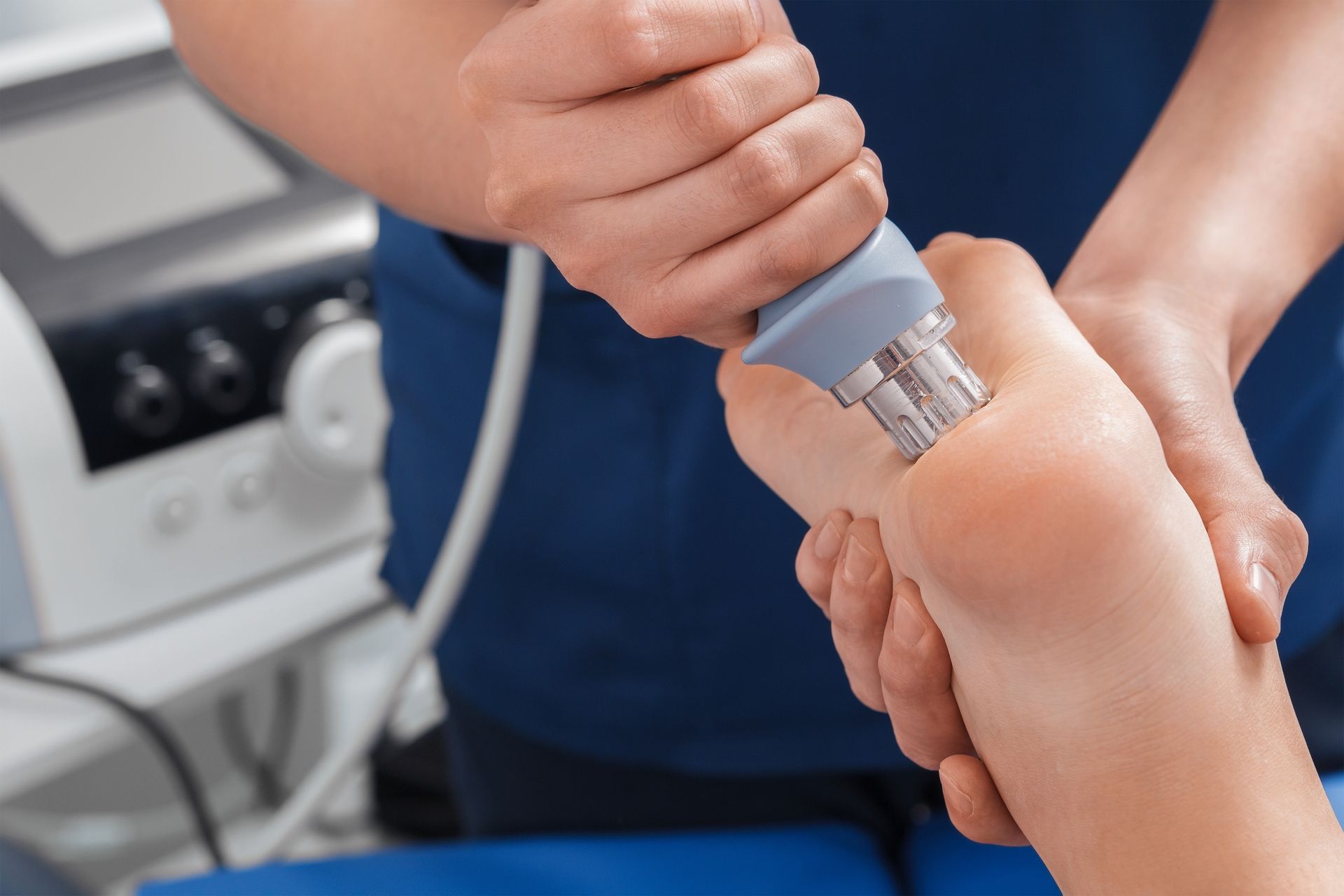
- Shockwave therapy when appropriate for certain chronic tendon conditions to help support the healing process and improve pain and function.
- Acupuncture as part of a conservative treatment plan to help manage pain and muscular tension.
- Medical care when symptoms may be influenced by medications, hormonal changes, metabolic conditions, or another health issue requiring further evaluation.
Tendon rehabilitation is rarely about complete rest.
In many cases, tendons need the correct amount of progressive loading to regain strength and improve their ability to tolerate everyday activity, exercise, and sports.
Tendon Pain Is Not Always Just an Overuse Problem
It is easy to blame tendon pain on one workout, one repetitive movement, or simply getting older.
The reality is often more complicated.
This research highlights another piece of the puzzle by suggesting that hormonal factors may be associated with certain tendon conditions in women over age 45.
That does not mean hormones are the only reason an injury develops. It means tendon health can be influenced by many factors at the same time.
At Thrive Sports & Spine, our goal is to identify those factors, reduce unnecessary stress on the injured tissue, and help patients rebuild the strength and movement needed to return to the activities they enjoy.
If shoulder, elbow, knee, or ankle pain keeps returning or is limiting exercise and daily activities, a thorough evaluation can help determine what may be contributing to the problem and what type of treatment is appropriate.
Reference:
Bcharah G, et al. Association Between Hormone Replacement Therapy and Incidence of Tendon Injuries and Surgical Repair in Perimenopausal Women: A Propensity Score-Matched National Cohort Study. Orthopaedic Journal of Sports Medicine. 2026;14(5):23259671261428457. doi:10.1177/23259671261428457.