Scoliosis Is More Than Just a Curve: Why Movement and Body Awareness Matter
When most people hear the word scoliosis, they think about a curved spine.
However, adolescent idiopathic scoliosis is more complex than a curve seen on an X-ray. It is a three-dimensional change in the shape and position of the spine that develops during growth.
Depending on the individual, scoliosis can affect posture, balance, muscle control, movement, and confidence with physical activity.
A 2026 systematic review and network meta-analysis published in Frontiers in Sports and Active Living compared different scoliosis-specific exercise programs to see which approaches may be most helpful for improving spinal curvature in adolescents.
The research suggests that exercise may play an important role in conservative scoliosis care, especially when treatment focuses on more than strength alone.
What the Study Found
Researchers reviewed 24 randomized controlled trials involving 1,149 adolescents with idiopathic scoliosis.
The participants were between 8 and 18 years old and had mild to moderate spinal curves.
The researchers compared several types of scoliosis-specific exercise, including Schroth exercises, core stabilization, Pilates, balance training, strengthening, task-oriented exercise, and other specialized rehabilitation programs.
One combination stood out in the analysis.
Schroth exercises combined with sensory integration training ranked highest for improving Cobb angle, which is the measurement commonly used to describe the size of a scoliosis curve.
The researchers also evaluated different exercise schedules.
Programs lasting approximately 12 to 18 weeks, performed around three times per week for about 30 to 60 minutes, ranked highly in the analysis.
However, these results need to be interpreted carefully.
The Schroth and sensory integration combination was supported by only one study. Several other comparisons were also based on limited or indirect evidence.
The researchers did not conclude that there is one perfect scoliosis exercise program for every patient.
Instead, they emphasized that exercise should be individualized based on the patient's curve, physical abilities, risk of progression, tolerance, and access to care.
What Is Sensory Integration?
Movement depends on more than muscles.
Your brain constantly receives information from your joints, muscles, eyes, and inner ear to understand where your body is in space.
This process helps control balance, posture, coordination, and movement.
Sensory integration training challenges the body to use this information more effectively.
Exercises may involve balance, coordination, changes in visual input, or movements that require the arms, legs, and trunk to work together.
For someone with scoliosis, this may be important because maintaining a corrected posture is not simply about being told to "stand up straight."
The body must learn to recognize its position and control that position during everyday movement.
Why the Schroth Method Is Different
Schroth exercises were developed specifically for people with scoliosis.
Unlike a general strengthening program, Schroth exercises are designed around the individual's spinal curve.
They may include:
- Three-dimensional postural correction
- Specific breathing techniques
- Core muscle activation
- Spinal elongation
- Balance and postural control
- Learning how to maintain improved positioning during daily activities
The goal is not simply to strengthen the back.
It is to help the patient develop better awareness and control of their posture while moving, breathing, sitting, standing, and performing normal activities.
The new research suggests that combining this type of active correction with sensory and balance training may be worth studying further.
Why This Matters for Adolescents With Scoliosis
Scoliosis is often discovered during childhood or adolescence, when the body is still growing.
That makes proper monitoring important.
Some curves remain relatively stable, while others may progress during periods of rapid growth.
Treatment also depends heavily on the severity of the curve.
Some patients may only require monitoring and exercise. Others may require bracing, and larger or rapidly progressing curves may need evaluation by a spine specialist.
Exercise should not replace appropriate medical monitoring.
Instead, scoliosis-specific rehabilitation may be one part of a larger treatment plan designed to improve movement, strength, posture, function, and confidence.
This research also reinforces an important point: scoliosis rehabilitation is not simply about trying to make an X-ray look better.
Helping an adolescent move well and feel confident using their body matters too.
How Thrive Sports & Spine Uses This Research to Guide Care
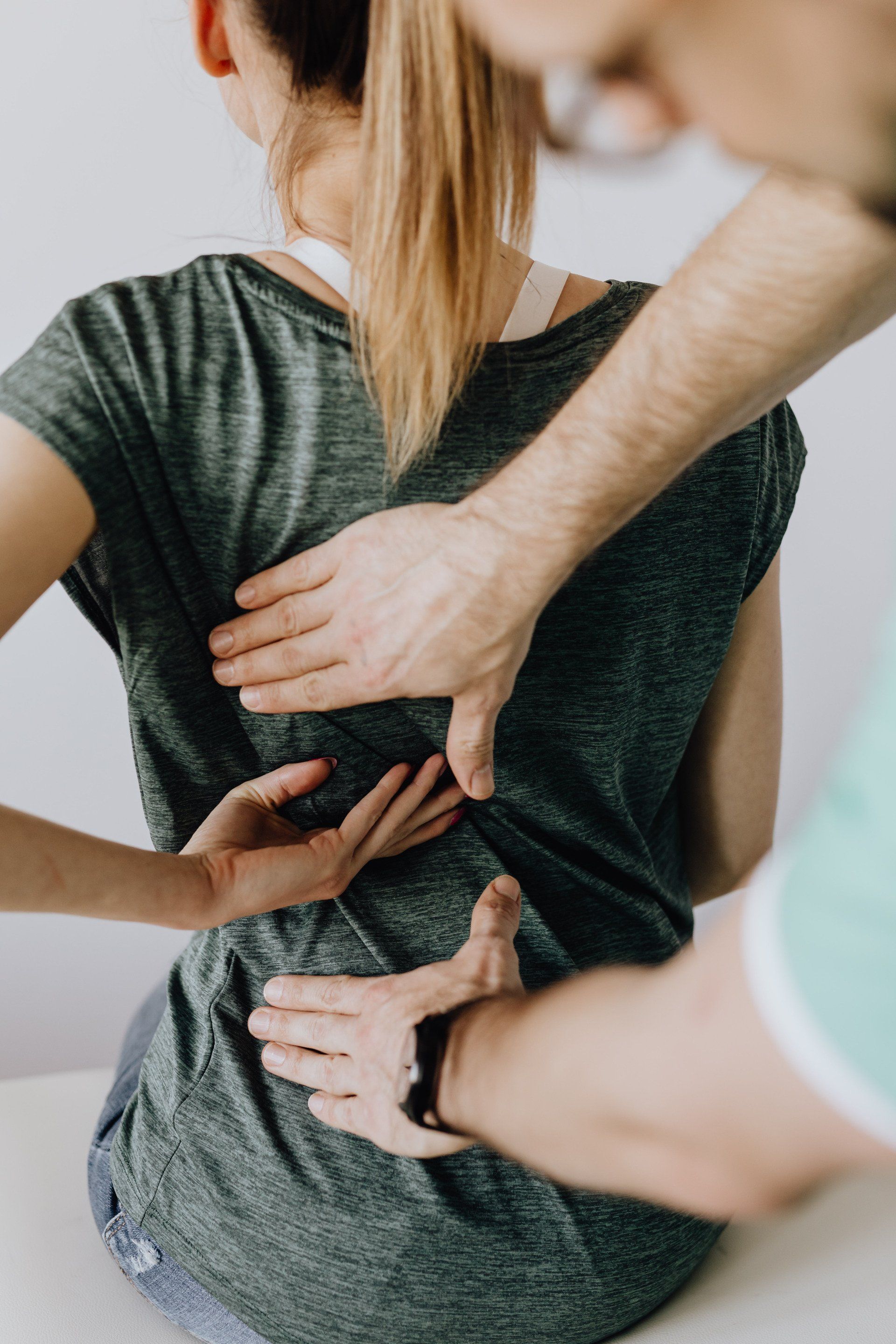
At Thrive Sports & Spine, scoliosis care begins with understanding the individual patient rather than treating every spinal curve the same way.
A patient's age, growth stage, curve severity, symptoms, mobility, strength, balance, and daily activities can all influence the treatment plan.
Depending on the patient's needs, care may include:
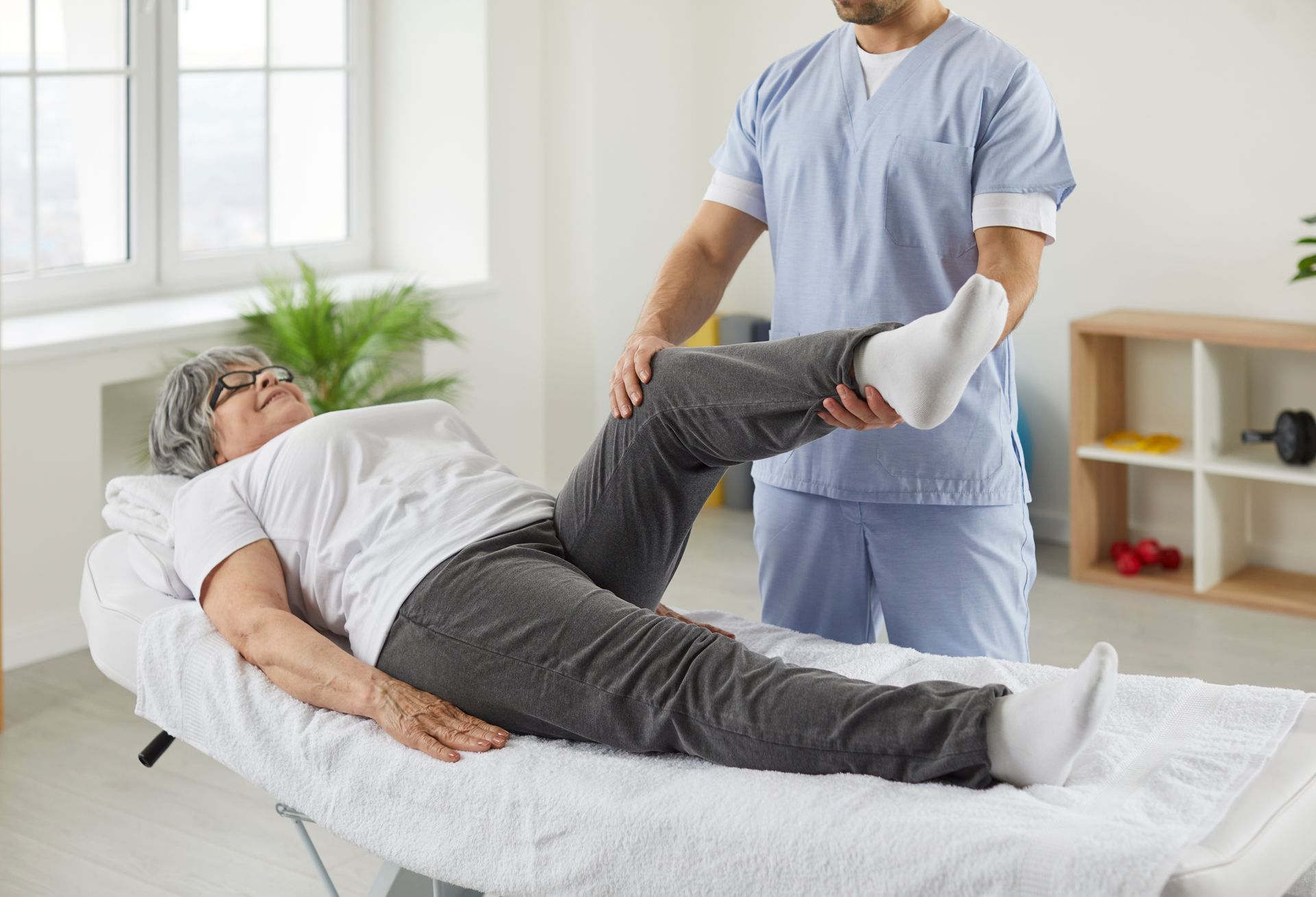
- Rehabilitation and therapeutic exercise to improve core strength, postural control, coordination, balance, and movement awareness.
- Occupational therapy to help patients apply better movement and body awareness to school, sports, exercise, and everyday activities.
- Chiropractic care to evaluate joint mobility and address mechanical discomfort or movement restrictions when appropriate. Chiropractic care should be viewed as supportive care and is not intended to straighten or eliminate a structural scoliosis curve.
- Patient and family education to help adolescents understand their condition, stay active, and become more confident with movement.
- Medical or orthopedic referral when a curve requires additional imaging, bracing, monitoring, or specialist evaluation.
- Acupuncture or other conservative treatments when appropriate for patients experiencing muscular discomfort or pain alongside their scoliosis.
The goal is to support healthy movement while making sure patients receive the level of care their individual curve requires.
Building Better Movement, Not Just Better Posture
Scoliosis is more than a curve on an X-ray.
It can influence the way a person controls posture, distributes movement, and interacts with the world around them.
This new research suggests that scoliosis-specific exercise, particularly programs that combine active postural correction with sensory and movement training, may offer meaningful benefits for some adolescents.
At the same time, the research is still developing. The highest-ranked exercise combination was supported by limited evidence, so treatment should not be based on one study or one exercise program alone.
The best approach starts with a proper evaluation and a plan built around the individual patient.
At Thrive Sports & Spine, our goal is to help adolescents with scoliosis build strength, improve movement control, stay active, and receive the appropriate monitoring they need as they continue to grow.
Reference:
Wang P, Xi Y, Wang X. Comparative efficacy of different scoliosis-specific exercise protocols on Cobb angle in adolescent idiopathic scoliosis: a network meta-analysis. Frontiers in Sports and Active Living. 2026;8:1847841. doi:10.3389/fspor.2026.1847841.